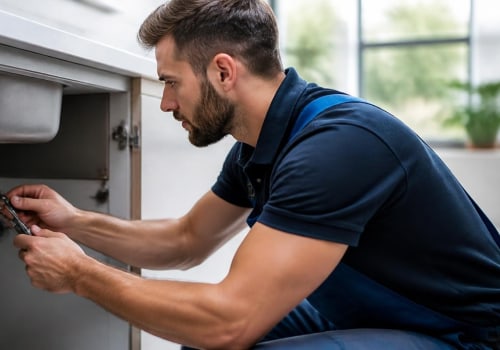
When it comes to maintaining a home, plumbing installation services play a crucial role in ensuring that water systems function efficiently and safely. These services encompass a wide range of tasks, from installing new fixtures like sinks and toilets to setting up complex systems such as water heaters and drainage solutions. Understanding the scope of plumbing services is essential for homeowners, as it not only helps in making informed decisions but also highlights the importance of professional expertise in this field. There are various types of plumbing installations, each requiring specific skills and knowledge. For instance, residential plumbing installations often involve connecting pipes, installing appliances, and ensuring that all systems comply with local building codes.
On the other hand, commercial plumbing installations may include larger-scale projects that demand advanced techniques and materials. This diversity in plumbing tasks raises an important question: can homeowners tackle these installations themselves, or is it wiser to hire a professional?As we delve deeper into the topic, we will explore the pros and cons of DIY plumbing installations versus hiring experienced professionals. While some minor tasks may seem manageable for the average homeowner, understanding when to call in the experts can save time, money, and potential headaches down the line. Ultimately, recognizing the value of plumbing installation services is key to maintaining a safe and functional home environment.
The Benefits of DIY Plumbing Installations
Undertaking DIY plumbing installations can be a rewarding experience, offering several advantages that make it an appealing option for many homeowners.One of the most significant benefits is the potential for cost savings. Hiring professional plumbing installation services can be expensive, often including labor costs that can significantly inflate the overall price. By choosing to tackle plumbing projects yourself, you can save a substantial amount of money, especially on smaller jobs like installing faucets or replacing fixtures.In addition to financial savings, DIY plumbing installations provide a sense of personal satisfaction. Successfully completing a project not only enhances your home but also boosts your confidence in your abilities.
This accomplishment can lead to a greater willingness to take on future home improvement tasks, fostering a sense of independence and self-reliance.Moreover, engaging in DIY plumbing allows you to learn valuable skills that can benefit you in the long run. Understanding the basics of plumbing systems can empower you to handle minor repairs and maintenance tasks without needing to call in a professional. This knowledge can be particularly useful in emergencies, where quick action is necessary.However, it’s essential to recognize your limits. While many plumbing tasks are manageable for the average homeowner, some installations may require specialized knowledge or tools.
For those projects that seem daunting, consulting with professionals or seeking guidance from experienced DIYers can help ensure success.In summary, the benefits of DIY plumbing installations include significant cost savings, personal satisfaction from completing projects, and the opportunity to acquire new skills. By weighing these advantages against the complexity of the task at hand, homeowners can make informed decisions about whether to proceed with DIY or hire professional plumbing installation services.
Common DIY Plumbing Projects You Can Tackle
Homeowners often find themselves facing minor plumbing issues that can be resolved without the need for professional plumbing installation services. Here are some common DIY plumbing projects that you can tackle with a little guidance and the right tools.- Installing a New Faucet: Replacing an old faucet can dramatically improve the look of your kitchen or bathroom. Start by turning off the water supply, removing the old faucet, and following the manufacturer’s instructions to install the new one.
Make sure to use plumber's tape on the threads to prevent leaks.
- Replacing Showerheads: A simple upgrade like a new showerhead can enhance your shower experience. Unscrew the old showerhead, clean the threads, and attach the new one. This task usually requires no special tools and can be completed in under 30 minutes.
- Fixing Leaks: Leaky faucets or pipes can waste water and increase your bill. Identify the source of the leak, which is often due to worn-out washers or seals.
Replacing these components is usually straightforward and can save you money on your water bill.
- Unclogging Drains: Clogged drains are a common issue that can often be resolved with a plunger or a drain snake. For tougher clogs, consider using a mixture of baking soda and vinegar to break down debris naturally.
- Installing a Toilet: While it may seem daunting, installing a toilet is manageable for many homeowners. Ensure you have all necessary tools, follow step-by-step instructions, and don’t forget to check for leaks after installation.
If you encounter unexpected issues or feel overwhelmed, don’t hesitate to reach out to professional plumbing installation services.
When to Hire a Professional Plumber
While DIY projects can be rewarding, there are specific scenarios where hiring a professional plumber is not just advisable but essential. Understanding when to seek plumbing installation services can save you time, money, and potential hazards.Complex Plumbing Issues
If you encounter complex plumbing issues such as major leaks, sewer line problems, or extensive pipe replacements, it’s best to call in a professional. These situations often require specialized knowledge and tools that the average homeowner may not possess. For instance, a clogged sewer line can lead to significant damage if not addressed properly, making it crucial to rely on an expert.Safety Concerns
Plumbing work can involve risks, especially when dealing with gas lines or high-pressure systems.If you’re unsure about the safety protocols or lack the necessary equipment, it’s wise to hire a professional. They are trained to handle hazardous materials and ensure that all installations comply with local safety regulations.
Local Regulations and Permits
Many areas require permits for plumbing work, especially for installations that affect the main water supply or sewage systems. A professional plumber is familiar with local codes and can navigate the permitting process efficiently. Attempting to bypass these regulations can lead to fines or complications when selling your home.Knowing Your Limits
It’s important to recognize your own limitations when it comes to plumbing tasks.If a project feels overwhelming or beyond your skill set, don’t hesitate to reach out for help. Hiring a professional not only ensures the job is done correctly but also provides peace of mind knowing that your plumbing system is in capable hands.In summary, while DIY plumbing installations can be tempting for minor repairs, understanding when to hire a professional is crucial for handling complex issues, ensuring safety, and complying with local regulations. Knowing your limits can prevent costly mistakes and ensure your plumbing system operates smoothly.
Cost Comparison: DIY vs. Professional Plumbing Services
When considering plumbing installation services, one of the first factors to evaluate is the cost.DIY plumbing may seem like a budget-friendly option, but it’s essential to weigh the potential savings against the risks and hidden costs involved.
DIY Plumbing Costs
- Materials: The cost of materials for a DIY plumbing project can vary significantly based on the complexity of the installation. Basic supplies like pipes, fittings, and fixtures can range from $50 to several hundred dollars.
- Tools: If you don’t already own the necessary tools, you may need to invest in items such as pipe wrenches, plungers, and sealants. This could add another $100 to $300 to your total costs.
- Time: Consider the value of your time. A DIY project can take longer than anticipated, especially if you encounter unexpected issues.
- Labor: Hiring a professional plumber typically costs between $45 and $200 per hour, depending on their experience and your location.
For a standard installation, you might expect to pay anywhere from $150 to $500 in labor alone.
- Materials: Professionals often have access to higher-quality materials at wholesale prices, which can offset some of the labor costs.
- Warranty: Many professional services offer warranties on their work, providing peace of mind that any future issues will be addressed without additional costs.
Safety Considerations in DIY Plumbing Projects
When considering DIY plumbing installations, safety should always be your top priority. Engaging in plumbing work can expose you to various hazards, from water damage to potential injuries.Here are some essential plumbing safety tips to keep in mind:
- Turn Off the Water Supply: Before starting any plumbing project, ensure that the water supply is turned off. This prevents unexpected leaks and flooding.
- Use Proper Tools: Invest in quality plumbing tools and ensure you know how to use them correctly. Using the wrong tool can lead to accidents or damage.
- Wear Protective Gear: Always wear safety goggles and gloves to protect yourself from sharp objects and harmful substances.
- Be Aware of Electrical Hazards: If your plumbing project involves working near electrical outlets or appliances, ensure that you take precautions to avoid electrocution.
- Know Your Limits: If a project seems too complex or risky, it’s wise to consult with or hire a professional. Understanding your skill level can prevent accidents.
Here are some guidelines:
- Read Instructions Carefully: Whether you’re following a tutorial or using product manuals, make sure you understand each step before proceeding.
- Keep Your Workspace Organized: A cluttered workspace can lead to accidents. Keep tools and materials neatly arranged to minimize risks.
- Check for Leaks: After completing your installation, check for leaks before closing up walls or floors. Early detection can save you from costly repairs later.
- Pipes and Fittings: Ensure all connections are secure to prevent leaks that could lead to water damage.
- Chemicals: If using chemical drain cleaners, follow the instructions carefully and use them in well-ventilated areas.
- Mold Growth: Be vigilant about moisture control; stagnant water can lead to mold growth, which poses health risks.
FAQs About DIY Plumbing Installations vs.
Hiring ProfessionalsWhen considering plumbing installation services, many homeowners find themselves torn between tackling the job themselves and hiring a professional. Here are some frequently asked questions that can help clarify this dilemma.
What are the risks of DIY plumbing installations?
While DIY plumbing can save money, it comes with significant risks:- Improper installation: Mistakes can lead to leaks, water damage, and costly repairs.
- Code violations: Many areas have strict plumbing codes that must be followed; failing to comply can result in fines.
- Safety hazards: Working with plumbing systems can pose health risks, especially if dealing with sewage or gas lines.
When should I hire a professional plumber?
Hiring a professional is advisable in several situations:- Complex installations: If the project involves extensive work, such as installing a new bathroom or kitchen, a professional's expertise is invaluable.
- Lack of experience: If you’re unfamiliar with plumbing systems, it’s safer to hire someone who is.
- Time constraints: Professionals can often complete jobs more quickly than a DIYer, saving you time and hassle.
What are the benefits of DIY plumbing?
Despite the risks, there are some advantages to DIY plumbing:- Cost savings: You can save on labor costs by doing the work yourself.
- Learning experience: DIY projects can enhance your skills and knowledge about home maintenance.
- Satisfaction: Successfully completing a project can provide a sense of accomplishment.
Conclusion: Making the Right Choice for Your Plumbing Needs
In conclusion, deciding between DIY plumbing installations and hiring professional plumbing installation services ultimately depends on several factors, including your skill level, the complexity of the project, and your budget. For those with a solid understanding of plumbing systems and the necessary tools, tackling smaller projects like replacing faucets or installing a new toilet can be rewarding and cost-effective. However, it’s crucial to recognize the limitations of your expertise.Complex installations, such as rerouting pipes or installing a new water heater, often require specialized knowledge and experience that only professionals possess.
Key Considerations
- Skill Level: Assess your own plumbing skills honestly. If you’re unsure about your ability to complete a project safely and effectively, it’s wise to consult a professional.
- Project Complexity: Simple tasks may be manageable for DIY enthusiasts, but intricate jobs can lead to costly mistakes if not handled correctly.
- Time Commitment: DIY projects can take longer than anticipated. Consider whether you have the time to dedicate to learning and executing the installation.
- Long-term Costs: While DIY may save money upfront, improper installations can lead to expensive repairs down the line.