When considering plumbing installation services, one of the most common questions homeowners ask is about the expected lifespan of their plumbing systems. Understanding the longevity of these installations is crucial for effective planning and budgeting, as well as for ensuring the safety and efficiency of your home’s water supply. Various factors influence the lifespan of plumbing installations, including the materials used, the quality of the installation, and ongoing maintenance practices. Typically, different components of a plumbing system have varying lifespans. For instance, copper pipes can last over 50 years, while PVC pipes may have a lifespan of around 25 to 40 years.
However, these figures can fluctuate based on environmental conditions and usage patterns. Homeowners often overlook the importance of regular maintenance and inspections, which can significantly extend the life of their plumbing installations. Engaging professional plumbing services for routine checks can help identify potential issues before they escalate into costly repairs. In this article, we will delve deeper into the factors that affect the longevity of plumbing installations and provide insights on how to maximize their lifespan. By understanding these elements, you can make informed decisions regarding your plumbing installation services, ensuring that your home remains safe and functional for years to come.
Factors Influencing the Lifespan of Plumbing Installations
The lifespan of plumbing installations can vary significantly based on several key factors.Understanding these factors can help homeowners and property managers make informed decisions regarding maintenance and upgrades.
- Materials Used: The type of materials selected for plumbing systems plays a crucial role in their longevity. For instance, copper pipes can last over 50 years, while PVC and PEX pipes may have a lifespan of 25 to 40 years. Choosing high-quality materials that are resistant to corrosion and wear can extend the life of the installation.
- Installation Quality: The expertise of the professionals providing plumbing installation services is another significant factor. Poor installation practices can lead to leaks, pressure issues, and premature failure of the system.
Ensuring that licensed and experienced plumbers handle the installation can mitigate these risks.
- Environmental Conditions: The environment in which the plumbing system operates also affects its lifespan. Factors such as soil conditions, water quality, and temperature fluctuations can contribute to wear and tear. For example, areas with hard water may experience mineral buildup that shortens the life of pipes.
- Maintenance Practices: Regular maintenance is essential for prolonging the life of plumbing installations. Routine inspections, timely repairs, and proper care can prevent minor issues from escalating into major problems.
By paying attention to these elements, homeowners can enhance the durability and reliability of their plumbing systems.
Common Plumbing Materials and Their Lifespans
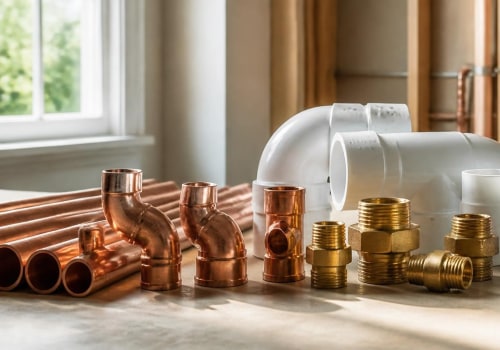
Understanding the expected lifespan of various plumbing materials is crucial for homeowners considering plumbing installation services. Different materials offer distinct advantages and longevity, which can significantly impact maintenance costs and overall plumbing system reliability.PVC (Polyvinyl Chloride)
PVC is a popular choice for residential plumbing due to its affordability and resistance to corrosion. Typically, PVC pipes can last between 25 to 40 years when installed correctly.They are ideal for drain, waste, and vent systems but are not suitable for hot water applications.
Copper
Copper pipes are known for their durability and resistance to bacteria. They can last anywhere from 50 to 70 years, making them one of the longest-lasting options available. However, copper is more expensive than other materials and can be susceptible to corrosion in certain water conditions.PEX (Cross-Linked Polyethylene)
PEX has gained popularity in recent years due to its flexibility and ease of installation. It is resistant to scale and chlorine, reducing the risk of pipe corrosion. The expected lifespan of PEX is around 40 to 50 years, making it a reliable choice for both hot and cold water supply lines. When selecting plumbing materials, consider not only the initial cost but also the long-term value based on their lifespans.Consulting with professionals in plumbing installation services can help you make informed decisions tailored to your specific needs.
Signs Your Plumbing Installation Needs Attention
Recognizing the signs that your plumbing installation needs attention is crucial for maintaining a functional and efficient home. Ignoring these signs can lead to more significant issues and costly repairs down the line. Here are some common indicators that your plumbing system may require professional evaluation:- Unusual Sounds: If you hear gurgling, banging, or hissing noises coming from your pipes, it could indicate air trapped in the system or a blockage that needs addressing.
- Water Stains: Discoloration on walls or ceilings often points to leaks. If you notice water stains, it’s essential to investigate further to prevent mold growth and structural damage.
- Low Water Pressure: A sudden drop in water pressure can signal a leak or blockage in your plumbing installation.
This issue can affect your daily activities and should be checked promptly.
- Slow Drains: If multiple drains in your home are slow, it may indicate a clog in the main sewer line. Regular maintenance can help prevent this issue from escalating.
- Frequent Clogs: If you find yourself dealing with clogs more often than usual, it may be time to consider replacing older pipes or seeking professional plumbing installation services.
- Schedule regular inspections with a licensed plumber.
- Avoid pouring grease or non-biodegradable items down the drain.
- Use drain screens to catch debris and prevent clogs.
The Importance of Professional Plumbing Installation Services
When it comes to ensuring the longevity and efficiency of your plumbing system, professional plumbing installation services play a crucial role.Hiring experienced plumbers not only guarantees that the installation is done correctly but also minimizes the risk of future issues that can arise from improper setup.
Benefits of Hiring Plumbers
- Expertise and Experience: Professional plumbers bring years of training and hands-on experience to the table. They are familiar with local building codes and regulations, ensuring that your installation meets all necessary standards.
- Quality Workmanship: With their skills, professional plumbers can provide high-quality workmanship that enhances the durability of your plumbing installations. This attention to detail can prevent leaks and other problems down the line.
- Time Efficiency: Professionals can complete installations more quickly than an untrained individual, saving you time and reducing the inconvenience of having a non-functional plumbing system.
- Warranty Protection: Many plumbing installation services offer warranties on their work, giving you peace of mind that if something goes wrong, you won’t be left to cover the costs alone.
Additionally, a well-installed system can improve water efficiency, leading to lower utility bills.In conclusion, while it may be tempting to attempt DIY plumbing installations or hire unlicensed individuals to save money, the potential risks far outweigh the initial savings. By choosing professional plumbing installation services, you ensure that your plumbing system is set up for success, providing reliable service for years to come.
Maintenance Tips for Extending the Lifespan of Your Plumbing System
Maintaining your plumbing system is essential for ensuring its longevity and efficiency. By following a few simple plumbing maintenance tips, you can significantly extend the lifespan of your plumbing installation. Here are some practical steps to consider:- Regular Inspections: Schedule routine checks of your plumbing system at least once a year.
Look for signs of leaks, corrosion, or wear and tear. Early detection can prevent costly repairs down the line.
- Monitor Water Pressure: High water pressure can strain your pipes and fixtures. Use a pressure gauge to check your home’s water pressure; it should ideally be between 40-60 psi. If it’s too high, consider installing a pressure-reducing valve.
- Drain Cleaning: Regularly clean your drains to prevent clogs and buildup.
You can use a mixture of baking soda and vinegar followed by hot water as a natural solution. Avoid chemical drain cleaners, as they can damage pipes over time.
- Inspect Water Heater: Check your water heater for any signs of rust or leaks. Flushing the tank annually can help remove sediment buildup, improving efficiency and extending its lifespan.
- Know Your Plumbing Layout: Familiarize yourself with the layout of your plumbing system, including shut-off valves and main lines. This knowledge can be invaluable in emergencies.
- Seal Leaks Promptly: If you notice any leaks, address them immediately.
Even small leaks can lead to significant water damage and increased utility bills.
Frequently Asked Questions About Plumbing Installation Lifespan
When considering plumbing installation services, many homeowners have questions about the longevity of their plumbing systems. Here are some frequently asked questions regarding the lifespan of plumbing installations:- What is the average lifespan of plumbing pipes?
The lifespan of plumbing pipes can vary significantly based on the material used. For instance, copper pipes can last over 50 years, while PVC pipes typically last around 25 to 40 years.Galvanized steel pipes may only last 20 years due to corrosion.
- How often should I replace my plumbing fixtures?
Most plumbing fixtures, such as faucets and toilets, can last between 10 to 20 years. Regular maintenance can extend their lifespan, but if you notice frequent leaks or inefficiencies, it may be time for a replacement. - What factors affect the lifespan of plumbing installations?
Several factors can influence how long your plumbing lasts, including: - Water quality: Hard water can lead to mineral buildup and corrosion.
- Installation quality: Proper installation by experienced professionals is crucial.
- Maintenance: Regular inspections and maintenance can prevent major issues.
- How can I tell if my plumbing needs replacement?
Signs that your plumbing may need replacement include: - Frequent leaks or water damage
- Low water pressure
- Discolored or foul-smelling water
- Visible corrosion on pipes
Conclusion: Key Takeaways on Plumbing Installation Lifespan
In summary, understanding the expected lifespan of plumbing installation services is crucial for homeowners and property managers alike. The longevity of plumbing systems can vary significantly based on several factors, including the materials used, the quality of installation, and the level of maintenance provided. Here are some key takeaways regarding the lifespan of plumbing installations:- Material Matters: Different materials have different lifespans. For instance, copper pipes can last over 50 years, while PVC pipes may last around 25 to 40 years.
Knowing the materials in your plumbing system can help you anticipate when replacements might be necessary.
- Quality of Installation: Professional plumbing installation services ensure that systems are installed correctly, which can significantly extend their lifespan. Poor installation can lead to leaks and other issues that shorten the life of your plumbing.
- Regular Maintenance: Routine inspections and maintenance are essential. Simple tasks like checking for leaks, flushing water heaters, and cleaning drains can prevent major issues and prolong the life of your plumbing system.
- Environmental Factors: The local climate and soil conditions can also impact plumbing longevity. For example, areas with high mineral content in water may lead to faster wear on pipes.
By being proactive about your plumbing system, you can ensure it serves you well for many years to come.