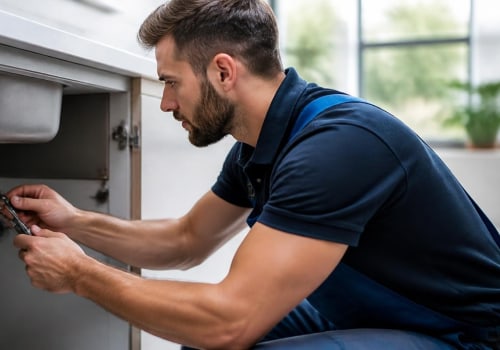
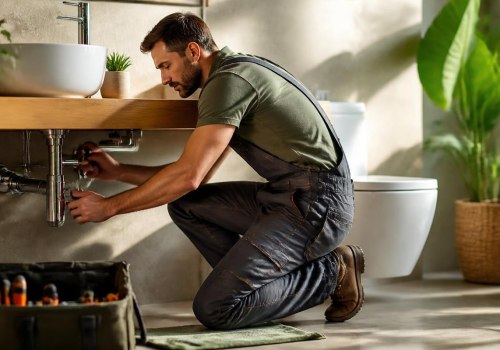
When it comes to maintaining a functional and efficient home, plumbing installation services play a crucial role. Proper installation of plumbing fixtures and pipes is not just about connecting water lines; it’s about ensuring that your entire plumbing system operates smoothly and efficiently. Many homeowners underestimate the importance of professional plumbing installation, often opting for DIY solutions or hiring inexperienced individuals. This can lead to a myriad of problems that could have been easily avoided. Engaging with professional plumbing services ensures that every aspect of the installation process is handled with expertise.
From selecting the right materials to adhering to local building codes, professionals bring a wealth of knowledge that can save you time, money, and stress in the long run. Poorly installed plumbing can result in leaks, water damage, and even structural issues within your home, making it imperative to invest in quality installation from the start. Moreover, understanding the nuances of plumbing installation can help homeowners appreciate the value of these services. It’s not merely about fixing a leak or replacing a faucet; it’s about creating a reliable system that supports your daily activities. By prioritizing professional plumbing installation, you are not only safeguarding your property but also enhancing its overall value and functionality.
Common Mistakes in Plumbing Installation
When it comes to plumbing installation services, even minor mistakes can lead to significant issues down the line.Understanding common plumbing mistakes can help homeowners avoid costly repairs and ensure a properly functioning system.
- Incorrect Pipe Sizing: Using pipes that are too small can restrict water flow, leading to low pressure and potential backups. Conversely, oversized pipes can cause water to flow too slowly, allowing sediment to build up.
- Poorly Sealed Joints: Failing to properly seal joints can result in leaks, which not only waste water but can also cause damage to surrounding structures. This is particularly common in areas where pipes connect to fixtures.
- Improper Slope: Drainage pipes must be installed with a specific slope to ensure proper flow. A slope that is too steep or too shallow can lead to clogs and slow drainage.
- Neglecting Venting: Plumbing systems require proper venting to function effectively.
Without adequate vents, air cannot enter the system, leading to slow drainage and gurgling sounds in the pipes.
- Ignoring Local Codes: Each area has specific plumbing codes that must be followed. Ignoring these regulations can result in fines and may require costly rework of the installation.
Consequences of Improperly Installed Plumbing Fixtures
Improperly installed plumbing fixtures can lead to a myriad of issues that not only affect the functionality of your plumbing system but also pose significant risks to your home and finances.Understanding these consequences of poor plumbing is crucial for homeowners and property managers alike.One of the most immediate consequences is the risk of leaks. When fixtures are not installed correctly, seals may fail, leading to water escaping from pipes or connections. This can result in:
- Water damage to walls, ceilings, and floors, which can compromise the structural integrity of your home.
- The growth of mold and mildew, which can pose health risks to occupants.
- Increased repair costs as damage accumulates over time.
- Higher water bills, as you pay for water that you are not using effectively.
- Increased energy costs if hot water systems are affected by leaks.
- Clogs, which may occur due to incorrect pipe alignment or inadequate drainage.
- Low water pressure, resulting from air pockets or blockages caused by poor installation.
- Frequent repairs, as ongoing issues require constant attention and maintenance.
From costly repairs and increased utility bills to potential health hazards, ensuring that your plumbing fixtures are installed correctly is essential for maintaining a safe and efficient home environment.
Long-Term Effects of Poor Plumbing Installation
Improper installation of plumbing fixtures or pipes can lead to a myriad of long-term plumbing issues that not only affect the functionality of your home but also your wallet. One of the most significant consequences is the potential for structural damage. Leaks from poorly installed pipes can seep into walls and foundations, causing mold growth, wood rot, and even compromising the integrity of your home’s structure.Moreover, these leaks often go unnoticed until they have caused extensive damage. Homeowners may find themselves facing costly repairs that could have been avoided with proper plumbing installation services.The initial savings from a DIY installation or hiring an unqualified plumber can quickly evaporate when faced with the reality of extensive water damage.
Future Plumbing Costs
In addition to immediate repairs, the long-term financial implications can be staggering.Future plumbing costs
can escalate due to recurring issues stemming from improper installation. For instance, frequent clogs, low water pressure, and inconsistent heating in water systems are common problems that arise from faulty installations. Each of these issues may require additional maintenance or replacement of fixtures, leading to a cycle of ongoing expenses.Regular plumbing maintenance becomes essential in homes with poorly installed systems.Homeowners may need to invest in annual inspections and repairs to mitigate the risks associated with their initial poor choices. This not only adds to the overall cost but also consumes valuable time and resources.Ultimately, the long-term effects of poor plumbing installation extend beyond immediate inconveniences. They can lead to significant structural damage and financial burdens that could have been easily avoided by investing in professional plumbing installation services from the outset.
Health Risks Associated with Improper Plumbing Installation
Improper plumbing installation can lead to a variety of health risks that may not be immediately apparent but can have serious long-term effects. One of the most significant issues is the growth of mold and mildew, which thrives in damp environments created by leaks or poorly sealed pipes.When water seeps into walls, ceilings, or floors, it creates an ideal breeding ground for these harmful fungi.Exposure to mold can cause a range of health problems, particularly for individuals with respiratory issues, allergies, or weakened immune systems. Symptoms may include:
- Coughing and sneezing
- Skin irritation
- Headaches
- Fatigue
- Worsening asthma symptoms
- Gastrointestinal illnesses
- Infections
- Long-term health complications from exposure to harmful bacteria and chemicals
Qualified plumbers ensure that all fixtures and pipes are installed correctly, minimizing the chances of leaks and contamination. Regular maintenance checks can also help identify potential issues before they escalate into serious health hazards.
How to Ensure Proper Plumbing Installation
Ensuring proper plumbing installation is crucial for the longevity and efficiency of your home’s plumbing system. Here are some actionable tips to help you achieve a successful installation:1.Research and Hire a Qualified Plumber
When it comes to plumbing installation services, hiring a qualified plumber is essential. Look for professionals who are licensed, insured, and have good reviews.Ask for recommendations from friends or family, and check online platforms for customer feedback.
2.Verify Credentials
Before hiring, verify the plumber's credentials. Ensure they have the necessary licenses and certifications required in your state. This not only guarantees their expertise but also protects you from potential liabilities.3.Request a Detailed Estimate
A reputable plumber should provide a detailed estimate that outlines the scope of work, materials needed, and labor costs. This transparency helps you understand what to expect and prevents unexpected expenses.4.Use a Plumbing Installation Checklist
Create a plumbing installation checklist to ensure all aspects of the installation are covered. Key items to include are:- Type of fixtures being installed (sinks, toilets, etc.)
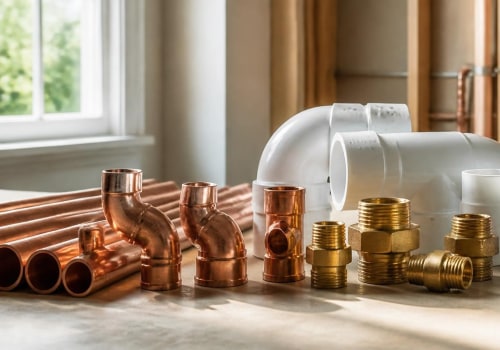
- Piping materials (PVC, copper, etc.)
- Water pressure requirements
- Drainage systems and venting
5.Inspect the Work
After installation, inspect the work done by the plumber.Check for leaks, proper alignment of pipes, and secure fittings. If you notice any issues, address them immediately with your plumber.
6.Schedule Regular Maintenance
Once your plumbing is installed correctly, schedule regular maintenance checks to ensure everything continues to function properly. This proactive approach can help identify potential issues before they become major problems. By following these tips and being diligent in your selection process, you can ensure that your plumbing installation is done correctly, minimizing the risk of future complications.FAQs About Plumbing Installation Services
When considering plumbing installation services, many homeowners have questions about the process, costs, and what to expect.Here are some frequently asked questions that can help clarify common concerns.
What should I look for when hiring a plumber?
When hiring a plumber for installation services, consider the following:- Licensing and Insurance: Ensure the plumber is licensed and carries liability insurance to protect you from potential damages.
- Experience: Look for a plumber with extensive experience in plumbing installation, particularly with the type of fixtures or systems you need.
- Reviews and References: Check online reviews and ask for references to gauge the quality of their work.
- Estimates: Obtain written estimates from multiple plumbers to compare pricing and services offered.
How much do plumbing installation services typically cost?
The cost of plumbing installation services can vary widely based on several factors, including:- The complexity of the installation.
- The type of fixtures being installed (e.g., sinks, toilets, water heaters).
- Your geographical location.
- The plumber's experience level.
What are common mistakes to avoid during plumbing installation?
Avoiding common mistakes can save you time and money:- Ignoring local codes: Always ensure that installations comply with local plumbing codes to avoid fines and safety issues.
- Poor measurements: Accurate measurements are crucial for proper fitting; double-check before cutting pipes or installing fixtures.
- Neglecting to test: After installation, always test the system for leaks or functionality before considering the job complete.
Conclusion: The Importance of Professional Plumbing Installation
In conclusion, the significance of professional plumbing installation services cannot be overstated. The consequences of improper installation can lead to a myriad of issues that not only compromise the integrity of your plumbing system but also result in significant financial burdens. When plumbing fixtures and pipes are not installed correctly, homeowners may face:- Water Damage: Leaks from poorly installed pipes can cause extensive water damage to walls, floors, and foundations, leading to costly repairs.
- Increased Utility Bills: Inefficient installations can result in water wastage, causing your utility bills to skyrocket.
- Health Hazards: Improperly installed plumbing can lead to mold growth and other health risks due to stagnant water or sewage leaks.
- Frequent Repairs: A faulty installation often leads to recurring issues that require ongoing maintenance and repairs, further draining your finances.
Therefore, when considering any plumbing work, always prioritize hiring experienced professionals who can deliver quality results.