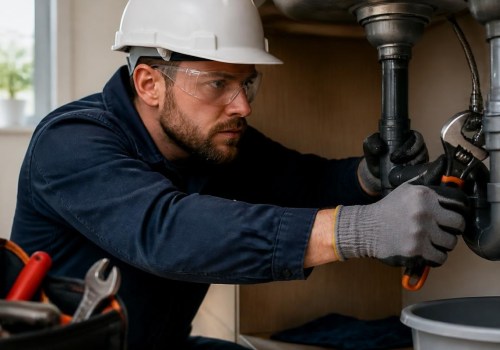
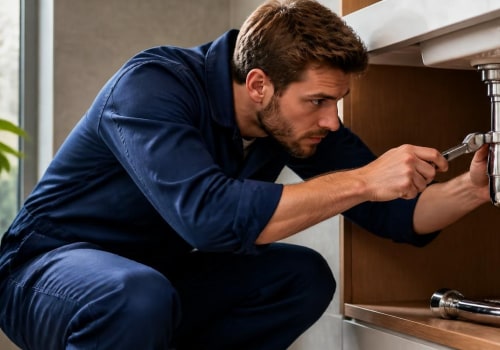
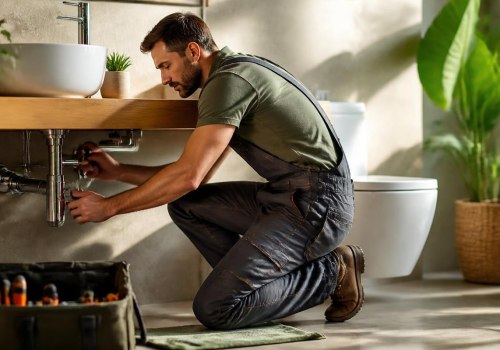
When it comes to plumbing installation services, older buildings present a unique set of challenges that require specialized knowledge and expertise. These structures, often rich in history and character, may have outdated plumbing systems that are not only inefficient but also potentially hazardous. Understanding the intricacies of plumbing in older buildings is crucial for ensuring that any installation or renovation work meets modern standards while preserving the building's integrity. One of the primary challenges faced during plumbing installations in older buildings is the presence of outdated materials. Many older structures were built using lead pipes, galvanized steel, or other materials that are no longer considered safe or effective.
Replacing these systems requires careful planning and execution to avoid damaging the building's existing framework. Additionally, the layout of plumbing in older buildings can be complex, often involving tight spaces and unconventional routing that complicates new installations. Furthermore, older buildings may not have been designed with modern plumbing needs in mind. As a result, homeowners may find that their existing systems cannot accommodate contemporary demands for water pressure and drainage. This mismatch can lead to a host of issues, from slow drains to inadequate water supply.
Therefore, when considering plumbing installation services for an older building, it is essential to work with professionals who understand these unique challenges and can provide tailored solutions that respect both the building's history and its current needs.
Assessing Existing Plumbing Systems
When considering plumbing installation services in older buildings, the first step is to thoroughly assess the existing plumbing systems. Many older structures may have outdated materials and designs that can lead to significant issues if not addressed properly. Start by conducting a comprehensive plumbing inspection. This involves checking for:- Corrosion: Look for signs of rust or corrosion on pipes, especially if they are made of galvanized steel or iron. Corroded pipes can lead to leaks and water quality issues.
- Leaks: Inspect for visible leaks under sinks, around toilets, and in basements.
Even small leaks can indicate larger problems within the plumbing system.
- Water Pressure: Test the water pressure throughout the building. Low water pressure may suggest blockages or pipe deterioration.
- Drainage Issues: Observe how quickly sinks and tubs drain. Slow drainage can be a sign of clogs or damaged pipes.
If you identify any of these issues, it may be time to consult with professionals who specialize in plumbing installation services.Upgrading to modern materials such as PVC or PEX can enhance the efficiency and safety of your plumbing system. Furthermore, a professional assessment can help determine whether a complete overhaul is necessary or if targeted repairs will suffice. In summary, assessing existing plumbing systems in older buildings is crucial for ensuring functionality and safety. By identifying common issues early on, property owners can make informed decisions about necessary upgrades or replacements, ultimately saving time and money in the long run.
Material Considerations for Plumbing Installations
When it comes to plumbing installation services in older buildings, selecting the right materials is crucial for ensuring compatibility with existing structures and enhancing longevity. Older buildings often have unique plumbing challenges due to outdated systems and materials that may not meet modern standards.Common Plumbing Materials for Older Buildings
- Cast Iron: Known for its durability, cast iron is often found in older plumbing systems.
It can withstand high pressure and is resistant to corrosion, making it a reliable choice for drainage and waste systems.
- Galvanized Steel: While galvanized pipes were once popular, they can corrode over time. If you encounter these in an older building, consider replacing them with more modern materials.
- Copper: Copper pipes are a great option for water supply lines due to their resistance to corrosion and ability to handle high temperatures. They are also recyclable, making them an environmentally friendly choice.
- PVC and CPVC: These plastic pipes are lightweight and resistant to corrosion, making them suitable for various plumbing applications. They are often used in modern installations but can be integrated into older systems where appropriate.
Best Practices for Material Selection
When selecting materials for plumbing installations in older buildings, consider the following:
- Compatibility: Ensure that new materials are compatible with existing plumbing systems to avoid leaks and other issues.
- Local Codes: Always check local building codes and regulations, as they may dictate specific materials or installation methods.
- Longevity: Opt for materials known for their durability and resistance to wear over time, which can save on future repair costs.
By prioritizing these factors, homeowners can ensure a reliable plumbing system that meets modern standards while preserving the integrity of their historic structures.
Code Compliance and Regulations
When it comes to plumbing installation services in older buildings, one of the most critical aspects to consider is adherence to local building codes and regulations. These codes are designed to ensure safety, efficiency, and environmental protection, and they can vary significantly from one jurisdiction to another.Older buildings often have unique plumbing challenges due to outdated systems that may not meet current standards. Therefore, it is essential for contractors and property owners to familiarize themselves with the specific plumbing codes applicable in their area. This includes understanding requirements for:- Pipe Materials: Many older buildings may still have lead or galvanized pipes, which are no longer compliant with modern standards.
Upgrading to approved materials is crucial.
- Drainage Systems: Ensuring that drainage systems are properly vented and sized according to current regulations is vital for preventing backflow and other plumbing issues.
- Water Supply: Compliance with regulations regarding water pressure and flow rates can help avoid problems such as leaks or inadequate water supply.
Common Plumbing Issues in Older Buildings
Older buildings often come with a unique set of challenges when it comes to plumbing installation services.Understanding these common plumbing issues is crucial for ensuring that any new installations are effective and long-lasting. One of the most prevalent problems in older buildings is corroded pipes. Over time, pipes made from materials like galvanized steel or lead can deteriorate, leading to leaks and reduced water quality. When planning a plumbing installation, it’s essential to assess the condition of existing pipes and consider replacing them with modern materials such as PVC or copper. Another frequent issue is inadequate water pressure. Older plumbing systems may not be designed to handle the demands of contemporary appliances and fixtures.
This can result in poor performance, especially in multi-story buildings. A thorough evaluation of the system's layout and pressure levels is necessary before proceeding with any new installations.
- Clogged Drains: Accumulation of debris, grease, and tree roots can lead to frequent clogs in older drainage systems. Regular maintenance and possibly upgrading to larger or more efficient drain lines may be required.
- Outdated Fixtures: Many older buildings still have original fixtures that may not meet current plumbing codes or efficiency standards. Replacing these with modern, water-efficient models can improve functionality and reduce water bills.
- Improper Venting: Venting issues can cause slow drainage and sewer gas odors.
Ensuring proper venting during a plumbing installation is vital for maintaining a healthy environment.
Hiring Professional Plumbing Installation Services
When it comes to plumbing installation services in older buildings, hiring experienced professionals is crucial. The unique challenges presented by aging infrastructure require a deep understanding of both modern plumbing standards and the historical context of the building. Here are some key considerations when looking for professional plumbing services.- Experience with Older Systems: Ensure that the plumbing service you choose has specific experience working with older plumbing systems.
They should be familiar with outdated materials such as lead pipes or galvanized steel, which may need special handling or replacement.
- Licensing and Insurance: Always verify that the plumbers are licensed and insured. This protects you from liability in case of accidents and ensures that the work meets local codes and regulations.
- References and Reviews: Look for reviews or ask for references from previous clients. A reputable plumbing service will have a track record of successful installations in older buildings.
- Comprehensive Assessments: A good plumbing service will conduct a thorough assessment of your building before starting any work. This includes checking for potential issues like leaks, corrosion, or inadequate water pressure that could complicate the installation process.
- Knowledge of Local Codes: Plumbing codes can vary significantly by location, especially in historic districts.
Ensure that your chosen service provider is well-versed in local regulations to avoid costly fines or rework.
FAQs About Plumbing Installations in Older Buildings
When it comes to plumbing installation services in older buildings, several common questions arise. Understanding these can help homeowners and property managers make informed decisions.- What are the common plumbing issues in older buildings?
Older buildings often face unique plumbing challenges, such as outdated piping materials, corrosion, and insufficient water pressure. Cast iron and galvanized steel pipes, commonly used in older constructions, can deteriorate over time, leading to leaks and blockages. - Do I need a permit for plumbing installations?
Yes, most municipalities require permits for significant plumbing work.This ensures that the installation meets local codes and safety standards. Always check with your local building department before starting any plumbing project.
- How can I tell if my plumbing needs an upgrade?
Signs that your plumbing may need an upgrade include frequent leaks, low water pressure, discolored water, or visible rust on pipes. If you notice any of these issues, it’s wise to consult with a professional. - Are there special considerations for installing new fixtures?
Yes, when installing new fixtures in older buildings, it’s essential to consider the existing plumbing layout. Older systems may not support modern fixtures without modifications.A professional plumber can assess compatibility and recommend necessary adjustments.
- What is the average cost of plumbing installation services in older buildings?
The cost can vary widely based on the extent of the work needed. On average, homeowners might expect to pay between $1,000 to $5,000 for comprehensive plumbing installations in older structures. Factors influencing cost include labor, materials, and any required upgrades to meet current codes.
Conclusion: Key Takeaways for Successful Plumbing Installations
In summary, successful plumbing installation services in older buildings require a comprehensive understanding of the unique challenges these structures present.Here are the key takeaways to ensure a smooth and effective installation process:
- Assess the Existing Infrastructure: Before any work begins, it is crucial to evaluate the current plumbing system. This includes checking for outdated materials, leaks, and potential code violations that could complicate new installations.
- Plan for Upgrades: Older buildings may not meet modern plumbing standards. Planning for necessary upgrades, such as replacing lead pipes or installing modern fixtures, can prevent future issues and enhance overall efficiency.
- Consult Professionals: Engaging experienced professionals who specialize in plumbing installation services for older buildings is essential. Their expertise can help navigate local codes and regulations, ensuring compliance and safety.
- Consider Water Pressure and Drainage: Older buildings often have unique water pressure and drainage challenges.
A thorough assessment can help determine if additional pumps or modifications are needed to optimize performance.
- Document Everything: Keeping detailed records of all plumbing work done is vital for future maintenance and repairs. This documentation can also be beneficial for potential buyers or renters in the future.