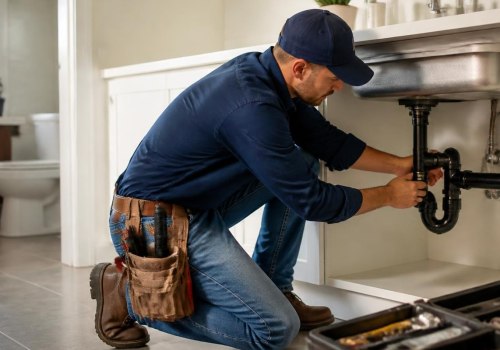
When it comes to plumbing installation services, understanding the timeline for various installations is crucial for homeowners and businesses alike. Whether you are upgrading your bathroom, installing a new kitchen sink, or setting up a complete plumbing system in a new construction, knowing how long these projects typically take can help you plan effectively. The duration of plumbing installations can vary significantly based on several factors, including the complexity of the job, the type of fixtures being installed, and the existing plumbing infrastructure. For instance, a simple installation, such as replacing a faucet or installing a toilet, may only take a few hours. In contrast, more extensive projects like repiping an entire home or installing a new water heater can span several days.
This variability often leads to questions about the plumbing installation timeline, as homeowners want to ensure minimal disruption to their daily routines. In this article, we will delve deeper into the specifics of how long plumbing installation takes for different types of services. By breaking down the timelines associated with various installations, we aim to provide clarity and help you set realistic expectations for your plumbing projects. Understanding these timeframes not only aids in planning but also ensures that you choose the right professionals for your needs.
Factors Influencing Plumbing Installation Time
When considering plumbing installation services, it's essential to understand that the duration of the installation can vary significantly based on several key factors. Here are some of the most influential elements:- Complexity of the Job: The intricacy of the plumbing system being installed plays a crucial role in determining the time required.
For instance, a simple faucet replacement may take only an hour, while a complete bathroom remodel could extend over several days.
- Type of Plumbing System: Different plumbing systems, such as traditional copper piping versus modern PVC or PEX, can affect installation time. Some materials require specialized skills and tools, which can prolong the process.
- Site Conditions: The physical environment where the installation occurs can also impact duration. Factors such as accessibility, existing infrastructure, and even weather conditions can either facilitate or hinder progress.
- Permits and Regulations: Depending on local laws, obtaining necessary permits can add time to the overall project. Compliance with building codes is crucial and may require additional inspections.
- Experience of the Plumber: The skill level and experience of the plumbing professional can greatly influence how quickly a job is completed.
A seasoned plumber may navigate challenges more efficiently than someone less experienced.
Common Types of Plumbing Installation Services
When considering plumbing installation services, it’s essential to understand the various types of installations that can be performed, as each type has its own unique requirements and timeframes. Below are some common types of plumbing installations:- Residential Plumbing Installations: These services typically involve the installation of plumbing systems in homes. Common tasks include setting up new water supply lines, installing sinks, toilets, and bathtubs, as well as connecting appliances like dishwashers and washing machines.
Depending on the complexity of the project, residential installations can take anywhere from a few hours to several days.
- Commercial Plumbing Installations: Commercial projects often require more extensive plumbing systems due to higher demand and larger facilities. This can include installing plumbing for restaurants, office buildings, or retail spaces. The time required for commercial installations can vary significantly based on the size of the project, ranging from a couple of days for smaller installations to several weeks for larger systems.
- New Construction Plumbing: In new construction projects, plumbing installation is typically done in conjunction with other construction activities. This can include laying down pipes before walls are built or installing fixtures after the structure is complete.
The timeline for new construction plumbing can be quite variable but is generally planned out in phases to align with the overall building schedule.
- Renovation Plumbing: Renovating existing spaces often requires updating or relocating plumbing fixtures. This type of installation can be more time-consuming due to the need to work around existing structures and systems. Depending on the scope of the renovation, this could take anywhere from a few days to several weeks.
Typical Timeframes for Various Plumbing Installations
When considering plumbing installation services, understanding the typical timeframes for various installations can help homeowners plan accordingly.Here are some common plumbing installations and their estimated completion times:
- Water Heater Installation: Installing a new water heater usually takes about 2 to 4 hours. This timeframe can vary based on the type of heater (tank vs. tankless) and the complexity of the existing plumbing.
- Pipe Replacement: Replacing old or damaged pipes can take anywhere from 1 day to several days, depending on the extent of the damage and the length of pipe that needs replacing. For example, replacing a single section of pipe may only take a few hours, while a complete repiping of a home could take up to a week.
- Bathroom Remodeling: A full bathroom remodel, which often includes plumbing work, can take 1 to 3 weeks.
This includes time for demolition, installation of new fixtures, and any necessary plumbing adjustments.
- The complexity of the installation
- The accessibility of plumbing systems
- Local building codes and regulations
The Role of Professional Plumbers in Installation Timelines
When it comes to plumbing installation services, the expertise of professional plumbers can significantly influence the overall timeline of the project. Unlike DIY approaches, which may lead to delays due to inexperience or lack of proper tools, hiring a qualified plumber ensures that the installation is completed efficiently and correctly.Professional Plumbers and Their Efficiency
- Experience: Professional plumbers bring years of experience to the table, allowing them to quickly identify potential issues and implement solutions without unnecessary delays.
- Tools and Equipment: They have access to specialized tools that can expedite the installation process, making tasks that might take a novice hours or even days much quicker.
- Knowledge of Local Codes: Understanding local plumbing codes and regulations helps avoid costly mistakes that could prolong the installation timeline.
Benefits of Hiring a Plumber
- Time-Saving: Professionals can often complete installations in a fraction of the time it would take an untrained individual.
- Quality Assurance: With their expertise, professional plumbers ensure that installations are done right the first time, reducing the risk of future problems.
- Stress Reduction: Knowing that a skilled professional is handling the installation allows homeowners to focus on other important aspects of their renovation or construction project.
Their efficiency not only accelerates the installation process but also guarantees a higher standard of work, making it a wise investment for any plumbing project.
Frequently Asked Questions About Plumbing Installation Services
When considering plumbing installation services, many homeowners have questions about the timeline and process involved. Here are some of the most frequently asked questions regarding plumbing installations:- How long does a typical plumbing installation take?
The duration of a plumbing installation can vary significantly based on the complexity of the project. For instance, installing a new sink or faucet may take just a few hours, while a complete bathroom remodel could take several days. On average, most installations can be completed within 1 to 3 days. - What factors influence the time required for plumbing installations?
Several factors can affect the timeline, including:- The type of plumbing fixtures being installed
- The condition of existing plumbing systems
- Accessibility of the installation site
- Permitting and inspection requirements
- Are there any preparations I should make before the installation?
Yes, preparing your home can help expedite the process.Clear the area around the installation site, ensure that pets are secured, and communicate any specific needs or concerns with your plumber beforehand.
- Will I need to be home during the installation?
While it’s not always necessary for you to be present, it is recommended. Being available allows you to address any questions or decisions that may arise during the installation. - What should I do if I have an emergency plumbing issue?
If you encounter an emergency situation, such as a burst pipe or severe leak, contact a professional plumber immediately. Emergency services often prioritize urgent issues and can provide quick solutions.
Conclusion: Key Takeaways on Plumbing Installation Timelines
In conclusion, understanding the timelines associated with plumbing installation services is crucial for homeowners and property managers alike.The duration of these services can vary significantly based on several factors, including the complexity of the installation, the type of plumbing system being installed, and the specific requirements of the project. Here are some key takeaways regarding plumbing installation timelines:
- Type of Installation: Simple installations, such as replacing a faucet or installing a toilet, typically take a few hours. In contrast, more complex projects like repiping an entire home can take several days.
- Preparation and Planning: Proper planning can significantly reduce installation time. Ensuring that all necessary materials are on hand and that permits are secured beforehand can streamline the process.
- Professional Expertise: Hiring experienced professionals can lead to quicker and more efficient installations. Skilled plumbers are familiar with common challenges and can navigate them effectively.
- Unexpected Issues: Be prepared for potential delays due to unforeseen circumstances, such as discovering outdated plumbing or structural issues during installation.
Engaging with a qualified plumbing service provider will give you a more accurate timeline tailored to your specific needs. By understanding these factors, you can better plan your schedule and minimize disruptions during the installation process.