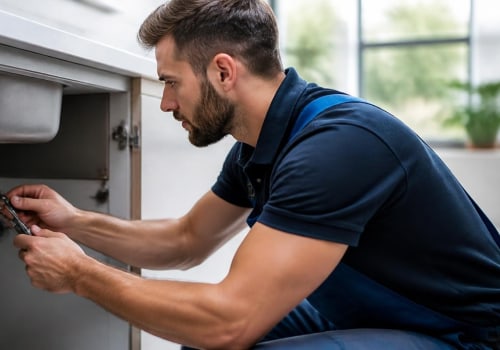
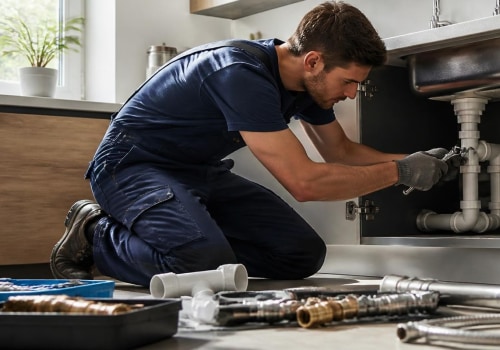
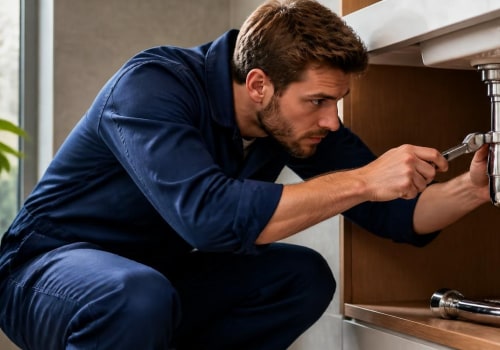
When it comes to home improvement, plumbing installation services play a crucial role in ensuring that your water systems function efficiently and effectively. These services encompass a wide range of tasks, from installing new pipes and fixtures to setting up entire plumbing systems for new constructions. Understanding what these services entail is essential for homeowners looking to maintain or upgrade their plumbing systems. There are various types of plumbing installations that cater to different needs. For instance, residential plumbing installations typically include the setup of sinks, toilets, and bathtubs, while commercial plumbing may involve more complex systems like industrial-grade piping and drainage solutions.
Additionally, specialized installations such as gas line setups or water filtration systems require skilled professionals who are well-versed in the specific requirements and regulations governing these services. As you delve deeper into the world of plumbing, it's important to recognize that even the best installations can encounter issues over time. Whether it's a leaky faucet or a malfunctioning water heater, understanding the scope of plumbing services can help you identify potential problems early on. This knowledge not only empowers you as a homeowner but also prepares you for any necessary discussions with your plumbing service provider should concerns arise.
Common Issues with Plumbing Installations
When it comes to plumbing installation services, homeowners may encounter a variety of issues that can lead to significant problems if not addressed promptly. Understanding these common issues is essential for recognizing when to seek professional help.- Leaks: One of the most prevalent problems in plumbing installations is leaks.
These can occur due to improper sealing, faulty fittings, or damaged pipes. A small leak can escalate into a major issue, causing water damage and mold growth.
- Improper Fittings: If pipes are not fitted correctly, it can lead to misalignment and pressure build-up. This can result in burst pipes or inefficient water flow. Homeowners should ensure that all connections are secure and properly aligned.
- Drainage Issues: Poor drainage is another common concern.
This can manifest as slow-draining sinks or toilets that frequently clog. Such problems often indicate that the installation was not done correctly, leading to blockages in the system.
- Water Pressure Problems: Inconsistent water pressure can be a sign of installation errors. If the pressure is too high or too low, it may affect the performance of fixtures and appliances.
- Noise: Unusual sounds such as banging or gurgling from pipes can indicate air trapped in the system or loose fittings. These noises should not be ignored as they may signal underlying issues.
If any of these issues arise, it is advisable to contact a qualified plumbing professional who can assess the situation and provide appropriate solutions. Timely intervention can save homeowners from costly repairs and ensure that their plumbing systems function efficiently.
Identifying Problems Early: Signs to Look For
When it comes to plumbing installation services, early detection of potential issues can save homeowners significant time and money. Recognizing the signs of plumbing problems is crucial for maintaining a functional and efficient plumbing system. Here are some key indicators to watch for:- Unusual Sounds: If you hear gurgling, banging, or hissing noises coming from your pipes, it may indicate air trapped in the system or a blockage that needs attention.
- Water Stains: Discoloration on walls or ceilings can be a sign of leaks.
If you notice brown or yellow stains, it’s essential to investigate further.
- Low Water Pressure: A sudden drop in water pressure can signal a leak or blockage in your plumbing system. If your faucets or showerheads are not delivering water as they should, it’s time to call a professional.
- Slow Drains: If water is pooling in sinks, tubs, or showers, it may indicate a clog in the drainage system. This can lead to more severe issues if not addressed promptly.
- Unpleasant Odors: Foul smells emanating from drains can suggest a buildup of waste or a broken sewer line. This is not only unpleasant but can also pose health risks.
Regular maintenance and inspections can also help in identifying potential concerns before they become costly repairs.
Steps to Take When You Encounter Issues
Encountering issues with plumbing installation services can be frustrating, but knowing the right steps to take can help you resolve these problems efficiently. Here’s a structured approach to address any concerns:- Identify the Problem: Begin by assessing the issue. Is it a leak, a blockage, or a malfunctioning fixture? Understanding the nature of the problem will guide your next steps.
- Document the Issue: Take notes and photographs of the problem. This documentation can be invaluable if you need to discuss the issue with your plumber or seek further assistance.
- Check for Immediate Solutions: If it’s a minor issue, such as a dripping faucet, try tightening fittings or replacing washers.
For more significant problems like leaks, turn off the water supply to prevent further damage.
- Contact Your Plumbing Service: Reach out to the plumbing installation service that performed the work. Provide them with detailed information about the issue, including your documentation. Most reputable services will have a warranty or guarantee policy in place.
- Request an Inspection: If necessary, ask for a professional inspection. A qualified plumber can assess the situation and determine if it’s a result of improper installation or another underlying issue.
- Follow Up: After the inspection and any repairs, monitor the area closely.
If problems persist, don’t hesitate to contact your plumber again. Keeping communication open is key to resolving ongoing issues.
Communicating with Your Plumbing Service Provider
When issues arise with your plumbing installation services, effective communication with your service provider is crucial for a swift resolution. Here are some strategies to ensure your concerns are addressed promptly and efficiently.Be Clear and Specific
When discussing issues, it’s important to be as clear and specific as possible.Instead of saying, "There’s a problem with the plumbing," try to describe the issue in detail. For example, mention if there’s a leak, unusual noises, or if water pressure is low. This helps the plumber understand the situation better and prepare for the visit.
Document the Issue
Before contacting your plumbing service provider, take notes or even photographs of the problem. This documentation can be invaluable when explaining the issue.It provides visual evidence that can help the plumber diagnose the problem more effectively.
Choose the Right Time to Communicate
Timing can significantly impact how your concerns are received. Try to reach out during business hours when your plumbing service provider is likely to be less busy. This increases the chances of getting a prompt response and allows for a more focused conversation.Use Multiple Communication Channels
If you don’t receive a timely response via phone, consider following up through email or even social media if applicable. Different channels may yield different results, and using multiple methods can ensure your message gets through.Stay Professional and Courteous
While it’s natural to feel frustrated when issues arise, maintaining a professional demeanor can lead to better outcomes.Approach your plumbing service provider with respect and understanding, which can foster a more cooperative relationship.
Follow Up
If you don’t hear back within a reasonable timeframe, don’t hesitate to follow up. A polite reminder can often prompt quicker action on their part. Keeping communication lines open is key to resolving any issues effectively.By employing these strategies, homeowners can enhance their communication with plumbing installation services, leading to quicker resolutions and improved overall satisfaction with the service provided.When to Seek a Second Opinion or Change Providers
When it comes to plumbing installation services, there are times when you may find yourself questioning the quality of work or the professionalism of the service provider. Recognizing when to seek a second opinion or change providers is crucial for ensuring that your plumbing needs are met effectively.Signs You Need a New Plumber
- Repeated Issues: If you experience the same plumbing problems repeatedly after installation, it may indicate that the initial work was not performed correctly.
- Poor Communication: A lack of clear communication regarding timelines, costs, or project details can be a red flag.
If your plumber is unresponsive or dismissive, it might be time to look elsewhere.
- Unprofessional Behavior: Rude or unprofessional conduct from the plumbing team can lead to a lack of trust. You deserve a service provider who respects you and your home.
- Negative Reviews: If you notice a pattern of negative feedback from other customers, it’s worth considering a different plumbing service.
When to Change Plumbers
If you find yourself in any of the situations mentioned above, it may be time to consider changing your plumber. Additionally, if you feel uncomfortable with the quality of materials used or if the installation does not meet local building codes, seeking a new provider is advisable.
Seeking a Second Opinion
Before making a switch, obtaining a second opinion can provide clarity. Here are some steps to take:
- Research Other Providers: Look for reputable plumbing services in your area with positive reviews and testimonials.
- Request an Assessment: Contact another plumber to evaluate the work done and provide their professional opinion on any issues.
- Compare Estimates: If repairs or additional work are needed, compare estimates from different providers to ensure you’re getting fair pricing.
Don’t hesitate to seek alternatives if your current provider isn’t meeting your expectations.
Preventative Measures for Future Installations
When it comes to plumbing installation services, taking preventative measures can save homeowners from future headaches and costly repairs. Here are some essential tips and best practices to ensure a successful plumbing installation:- Conduct Thorough Research: Before hiring a plumber, research their credentials, reviews, and experience. Look for professionals who specialize in plumbing installations and have a proven track record.
- Get Multiple Quotes: Don’t settle for the first estimate you receive. Obtain quotes from several plumbing services to compare prices and services offered.
This will help you make an informed decision.
- Check for Licensing and Insurance: Always verify that the plumber is licensed and insured. This protects you from liability in case of accidents or damages during the installation process.
- Ask About Warranties: Inquire if the plumbing installation service offers warranties on their work. A good warranty can provide peace of mind and assurance of quality workmanship.
- Plan for Future Needs: Consider your long-term plumbing needs when planning an installation. This includes thinking about potential expansions or upgrades that may be necessary down the line.
- Regular Maintenance: After installation, schedule regular maintenance checks with your plumber to catch any potential issues early.
This proactive approach can prevent minor problems from escalating into major repairs.
Frequently Asked Questions (FAQs)
When it comes to plumbing installation services, homeowners often have questions or concerns that need addressing. Here are some frequently asked questions that can help clarify common doubts:What should I do if I notice a problem after installation?
If you experience any issues post-installation, the first step is to contact your plumbing service provider immediately. Most reputable companies offer a warranty or guarantee on their work, which typically covers repairs for a specified period.Document the issue with photos and notes to provide clear information when you reach out.
How can I ensure the plumber is qualified?
Before hiring a plumbing installation service, check for licenses and certifications. You can also look for reviews and testimonials from previous clients. A qualified plumber should be willing to provide references and discuss their experience with similar projects.What are common issues with plumbing installations?
- Leaks: One of the most common problems, often due to improper sealing or fitting.
- Clogs: Poor installation can lead to drainage issues, resulting in clogs.
- Noisy pipes: This can indicate air in the system or improper installation.
How do I address concerns with my plumber?
If you have concerns about the work being done, communicate openly with your plumber. Discuss your worries directly and ask for clarification on any aspects of the installation that seem unclear.If the issue persists, consider escalating your concerns to a supervisor or manager within the company.In summary, addressing issues with plumbing installation services involves clear communication, understanding your rights regarding warranties, and ensuring you hire qualified professionals. By being proactive and informed, you can effectively manage any concerns that arise during or after your plumbing project.
Conclusion: Ensuring Quality in Plumbing Installations
In conclusion, addressing any issues or concerns with plumbing installation services is crucial for ensuring the longevity and efficiency of your plumbing system. Throughout this article, we have explored the various steps involved in identifying, reporting, and resolving problems that may arise during or after a plumbing installation. First and foremost, it is essential to maintain open lines of communication with your plumbing service provider. If you notice any irregularities, such as leaks, unusual noises, or poor water pressure, do not hesitate to reach out to them promptly.Early detection can prevent minor issues from escalating into major repairs.
Documenting Your Concerns
When addressing concerns, it is beneficial to document your observations. Take notes on:- The specific issue you are experiencing
- The date and time you first noticed the problem
- Any previous communications with the plumbing service
Follow-Up and Feedback
After reporting an issue, ensure that you follow up if you do not receive a timely response. A reputable plumbing installation service will prioritize customer satisfaction and should address your concerns swiftly. Additionally, providing feedback on their service can help improve their processes and assist future customers. Ultimately, being proactive about any plumbing issues not only protects your investment but also contributes to a safer and more functional home environment.By understanding the importance of addressing concerns effectively, homeowners can ensure that their plumbing systems operate smoothly for years to come.