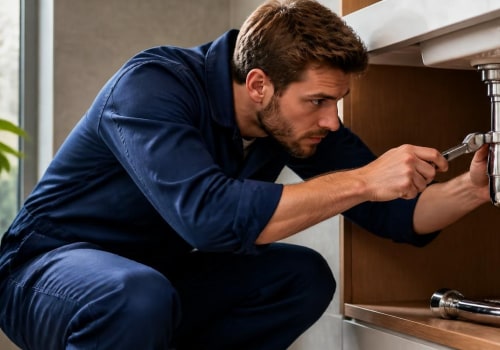
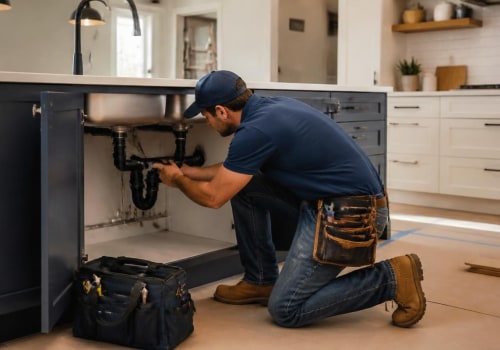
When it comes to maintaining a functional and comfortable living or working environment, plumbing installation services play a crucial role. These services encompass a wide range of tasks, from installing new pipes and fixtures to ensuring that existing systems are up to code and functioning efficiently. Understanding the importance of these services is essential for homeowners and business owners alike, as they directly impact water quality, energy efficiency, and overall property value. In both residential and commercial settings, the significance of plumbing installation cannot be overstated. Properly installed plumbing systems not only facilitate the safe and efficient use of water but also contribute to the sustainability of our resources.
With growing concerns about environmental impact, many are now seeking out environmentally friendly options in their plumbing installations. This shift not only helps in conserving water but also reduces energy consumption, making it a win-win for both the planet and your wallet. As we delve deeper into the world of plumbing installation services, it becomes clear that choosing the right solutions can lead to significant long-term benefits. From selecting high-efficiency fixtures to exploring innovative materials that minimize waste, understanding your options is key. This article will guide you through the various environmentally friendly choices available in plumbing installations, ensuring that you make informed decisions that align with both your needs and your commitment to sustainability.
The Environmental Impact of Traditional Plumbing Installations
Traditional plumbing installations have long been a cornerstone of modern infrastructure, yet they come with significant environmental impacts that cannot be overlooked.One of the most pressing issues is water waste. Conventional plumbing systems often lead to leaks and inefficiencies, resulting in millions of gallons of water being wasted each year. This not only depletes our precious water resources but also increases the energy required for water treatment and distribution.Moreover, the materials used in traditional plumbing installations can contribute to environmental degradation. For instance, the production of PVC pipes involves the release of harmful chemicals into the atmosphere, and their disposal can lead to long-term pollution in landfills.
Additionally, many plumbing fixtures are made from metals that require extensive mining operations, which can devastate local ecosystems.Another critical aspect is the plumbing waste generated during installation and maintenance. Old pipes and fixtures often end up in landfills, where they can take decades to decompose. This not only contributes to landfill overflow but also poses risks of leaching harmful substances into the soil and groundwater.In light of these issues, it is clear that traditional plumbing installations are not sustainable. The need for sustainable alternatives has never been more urgent.
By exploring eco-friendly plumbing installation services, we can mitigate these negative impacts and work towards a more sustainable future.
Eco-Friendly Plumbing Materials
When considering plumbing installation services, opting for eco-friendly plumbing materials can significantly reduce your environmental impact. Here are some sustainable options that not only benefit the planet but also enhance the efficiency of your plumbing system.- PEX (Cross-Linked Polyethylene): PEX is a flexible, durable plastic piping that is resistant to scale and chlorine, reducing the risk of leaks. Its lightweight nature makes it easier to transport and install, which can lower energy consumption during installation. Additionally, PEX has a lower carbon footprint compared to traditional materials.
- Copper: Known for its longevity and recyclability, copper is a classic choice in plumbing installations.
It is naturally antimicrobial, which helps maintain water quality. Although it requires more energy to produce than some alternatives, its durability means it can last for decades, making it a sustainable option in the long run.
- Recycled Materials: Many manufacturers now offer plumbing products made from recycled materials. For instance, pipes made from recycled plastics or metals not only divert waste from landfills but also reduce the demand for new raw materials. This practice supports a circular economy and minimizes environmental degradation.
- Low-Flow Fixtures: While not a material per se, incorporating low-flow faucets and showerheads into your plumbing system can drastically reduce water usage.
These fixtures are designed to maintain pressure while using less water, contributing to overall sustainability.
Water-Saving Fixtures and Appliances
In the quest for sustainable living, water-saving fixtures and eco-friendly appliances play a crucial role in modern plumbing installation services. These innovations not only help conserve water but also reduce energy consumption, making them essential components of any environmentally conscious plumbing system.One of the most significant advancements in this area is the introduction of low-flow toilets.Traditional toilets can use up to 3.5 gallons per flush, whereas low-flow models typically use only 1.6 gallons or less. This reduction in water usage can lead to substantial savings on water bills and a lower environmental impact over time.Similarly, low-flow faucets and showerheads are designed to maintain water pressure while using significantly less water. By incorporating aerators, these fixtures mix air with water, providing a satisfying flow without wasting resources. Homeowners can save hundreds of gallons of water annually simply by upgrading to these efficient options.In addition to fixtures, energy-efficient appliances such as washing machines and dishwashers are vital for sustainable plumbing installations.
These appliances are engineered to use less water and energy while still delivering high performance. For instance, modern washing machines can use as little as 15 gallons per load compared to older models that may consume over 40 gallons.Moreover, when selecting sustainable plumbing fixtures, it’s essential to look for products that have been certified by organizations like WaterSense or ENERGY STAR. These certifications ensure that the products meet strict efficiency guidelines, providing peace of mind that your choices are genuinely eco-friendly.In conclusion, investing in water-saving fixtures and eco-friendly appliances is not just a trend; it’s a necessary step towards a more sustainable future. By choosing these options during your next plumbing installation, you contribute to water conservation efforts while also enjoying the benefits of lower utility bills and enhanced home comfort.
Innovative Plumbing Technologies for Sustainability
As the demand for environmentally friendly plumbing installation services grows, innovative technologies are emerging to enhance sustainability in plumbing systems.These advancements not only reduce water waste but also promote efficient resource management.
Smart Water Management Systems
One of the most significant innovations in plumbing is the development of smart water management systems. These systems utilize sensors and IoT (Internet of Things) technology to monitor water usage in real-time. By providing homeowners and businesses with detailed insights into their water consumption patterns, these systems help identify leaks and inefficiencies, allowing for timely repairs and adjustments. This proactive approach can lead to substantial water savings and lower utility bills.Greywater Recycling Systems
Greywater recycling systems are another groundbreaking solution that contributes to sustainable plumbing practices.These systems collect wastewater from sinks, showers, and washing machines, treating it for reuse in irrigation or toilet flushing. By recycling greywater, households can significantly reduce their overall water consumption, making it an ideal option for environmentally conscious consumers.
Rainwater Harvesting
In addition to greywater systems, rainwater harvesting technologies are gaining traction. This method involves collecting and storing rainwater from rooftops for later use. With proper filtration and treatment, harvested rainwater can be used for non-potable purposes such as landscape irrigation or even laundry.This not only conserves potable water but also reduces stormwater runoff, benefiting local ecosystems.
Energy-Efficient Water Heaters
The integration of energy-efficient water heaters, such as tankless models or solar-powered units, is also transforming plumbing installations. These technologies not only reduce energy consumption but also provide hot water on demand, eliminating the need for large storage tanks that consume energy continuously.By embracing these innovative plumbing technologies, homeowners can contribute to a more sustainable future while enjoying the benefits of modern conveniences. As the industry continues to evolve, the adoption of these solutions will play a crucial role in reducing environmental impact and promoting responsible water usage.Choosing Eco-Friendly Plumbing Installation Services
When it comes to selecting plumbing installation services that are environmentally friendly, there are several key factors to consider. Choosing a contractor who prioritizes sustainability can significantly reduce your home's ecological footprint.Look for Certifications
One of the first steps in finding eco-friendly plumbing services is to check for relevant certifications.Look for contractors who are certified by organizations such as:
- Green Plumbers USA: This certification indicates that the plumber has undergone training in water conservation and energy-efficient practices.
- LEED (Leadership in Energy and Environmental Design): A LEED-certified plumber is knowledgeable about sustainable building practices and can help you achieve green building standards.
- EPA WaterSense: This certification ensures that the plumbing fixtures and installations meet strict efficiency criteria set by the Environmental Protection Agency.
Ask the Right Questions
When interviewing potential contractors, it's essential to ask specific questions that reveal their commitment to sustainability:- What eco-friendly materials do you use? Inquire about the types of pipes, fixtures, and fittings they recommend. Look for options made from recycled or sustainable materials.
- How do you ensure water efficiency? A good contractor should be able to explain how their installations will conserve water, such as using low-flow fixtures or advanced irrigation systems.
- What is your approach to waste management? Eco-conscious plumbers should have a plan for minimizing waste during installation, including recycling old materials whenever possible.
FAQs About Environmentally Friendly Plumbing Installations
When considering environmentally friendly plumbing installations, many homeowners have questions about the benefits, options, and processes involved. Here are some frequently asked questions that can help clarify these aspects:- What are eco-friendly plumbing options?
Eco-friendly plumbing options include low-flow fixtures, tankless water heaters, and recycled materials for pipes.These solutions not only conserve water but also reduce energy consumption.
- How do low-flow fixtures work?
Low-flow fixtures, such as faucets and showerheads, are designed to use less water without sacrificing performance. They typically use aerators to mix air with water, creating a satisfying flow while minimizing usage. - Are there any certifications for green plumbing?
Yes, look for products certified by organizations like the WaterSense program or the Green Building Council. These certifications ensure that the products meet strict environmental standards. - Can I retrofit my existing plumbing to be more sustainable?
Absolutely! Many eco-friendly upgrades can be retrofitted into existing systems, such as installing low-flow toilets or adding insulation to hot water pipes to reduce heat loss. - What is the cost difference for eco-friendly plumbing installations?
The initial investment for eco-friendly plumbing may be higher, but the long-term savings on water and energy bills often outweigh these costs. Additionally, many local governments offer rebates for green upgrades. - How can I find reliable plumbing installation services that focus on sustainability?
Research local plumbing companies that specialize in green installations.Look for reviews and ask about their experience with eco-friendly products and practices.
Conclusion: The Future of Plumbing Installations
In conclusion, the shift towards environmentally friendly plumbing installation services is not just a trend but a necessary evolution in our approach to sustainability. As we have explored, traditional plumbing practices often contribute to significant water waste and environmental degradation. However, by opting for eco-friendly solutions, homeowners and businesses can make a substantial impact. Key points discussed include:- Water-efficient fixtures: Installing low-flow toilets, faucets, and showerheads can drastically reduce water consumption without sacrificing performance.
- Recycled materials: Utilizing recycled pipes and fittings minimizes the demand for new resources and reduces landfill waste.
- Smart technology: Incorporating smart plumbing systems allows for real-time monitoring of water usage, helping to identify leaks and inefficiencies promptly.
- Green certifications: Choosing plumbing installation services that are certified in green practices ensures that the work meets high environmental standards.
As awareness grows and technology advances, the future of plumbing installations looks promising, paving the way for a more sustainable and responsible approach to water management. Ultimately, making informed decisions about plumbing installations today will lead to a healthier environment for future generations. Embracing eco-friendly options is a step towards a more sustainable lifestyle that benefits both individuals and the community at large.