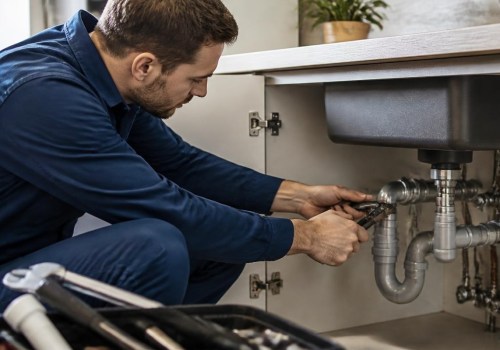
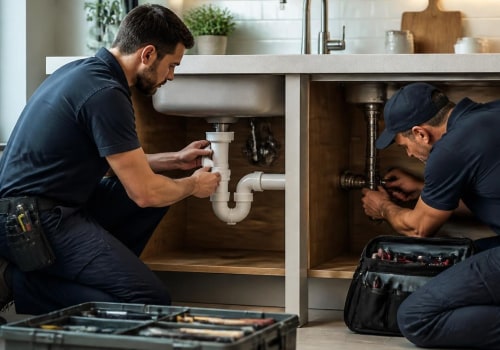
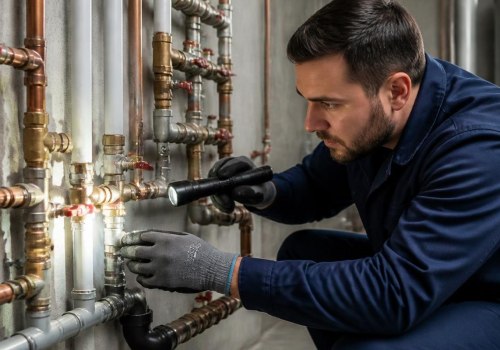
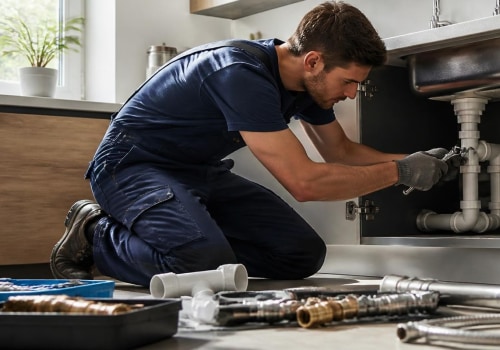
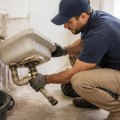
When it comes to plumbing installation services, understanding the potential for disruption in your home is crucial. Whether you're upgrading your existing plumbing system or installing new fixtures, these services can significantly impact your daily routine. Homeowners often underestimate the extent of disruption that can occur during a plumbing installation, leading to unexpected inconveniences. Typically, plumbing installation disruption can range from minor inconveniences, such as temporary water shut-offs, to more significant interruptions like restricted access to certain areas of your home. The level of disruption largely depends on the scope of the project.
For instance, installing a new bathroom may require extensive work that could affect multiple rooms, while a simple faucet replacement might only cause minimal disturbance. Moreover, it's essential to consider how home plumbing services are executed. Professional plumbers strive to minimize disruption by planning their work efficiently and communicating with homeowners about what to expect. Understanding these factors can help you prepare for the installation process and mitigate any potential inconveniences, ensuring a smoother experience overall.
What Are Plumbing Installation Services?
Plumbing installation services encompass a wide range of tasks that involve the setup and installation of plumbing systems in both residential and commercial properties. These services are essential for ensuring that water supply and drainage systems function efficiently and safely.There are several types of plumbing installations, each tailored to meet specific needs:- Residential Plumbing Installations: This includes the installation of pipes, fixtures, and appliances in homes.
Common tasks involve setting up sinks, toilets, bathtubs, and water heaters.
- Commercial Plumbing Installations: These installations are typically more complex due to the larger scale of operations. They may include installing plumbing systems in office buildings, restaurants, or industrial facilities, often requiring adherence to stricter regulations.
- New Construction Plumbing: In new builds, plumbers install the entire plumbing system from scratch, including water supply lines and drainage systems.
- Renovation Plumbing: This involves updating or replacing existing plumbing systems during home or building renovations to improve efficiency or comply with modern standards.
Whether it’s a simple residential setup or a complex commercial project, professional plumbing services play a critical role in maintaining the integrity and functionality of any property’s plumbing system.
Factors Influencing Disruption During Plumbing Installation
When considering plumbing installation services, several factors can significantly influence the level of disruption experienced during the process. Understanding these factors can help homeowners prepare and minimize inconvenience.- Complexity of the Job: The more complex the plumbing installation, the greater the potential for disruption. For instance, installing a new bathroom or kitchen may require extensive work, including rerouting pipes and modifying existing structures. In contrast, a simple fixture replacement typically involves less disruption.
- Location: The location of the plumbing installation within the home plays a crucial role.
If the work is being done in a high-traffic area, such as a kitchen or bathroom, it can lead to more significant disruptions compared to installations in less frequented spaces like basements or utility rooms.
- Existing Infrastructure: The condition and layout of existing plumbing systems can also affect the level of disruption. Older homes may have outdated plumbing that requires more extensive work to bring up to code, leading to increased disruption. Additionally, if there are unforeseen issues, such as leaks or corrosion, this can extend the timeline and impact.
- Time of Year: Seasonal factors can influence both the scheduling and execution of plumbing installations. For example, winter months may pose challenges due to frozen pipes or adverse weather conditions that could delay work.
Planning ahead and communicating with your plumbing contractor about potential challenges can help mitigate inconvenience and ensure a smoother installation process.
Typical Disruptions During Plumbing Installation Services
When homeowners schedule plumbing installation services, it’s essential to understand that some level of disruption is inevitable. Here are the typical disruptions you can expect during the process:- Noise: Plumbing installations often involve the use of power tools, which can create significant noise. Drilling, hammering, and sawing are common sounds that may disrupt your daily routine. It’s advisable to plan for this noise, especially if you have young children or work from home.
- Water Shut-Off: In many cases, a temporary water shut-off is necessary to complete the installation safely.
This can affect your ability to use sinks, toilets, and showers for a period of time. Homeowners should prepare by filling containers with water for drinking and cooking before the service begins.
- Access Issues: Depending on the scope of the installation, plumbers may need access to various areas of your home, including basements, crawl spaces, or attics. This may require moving furniture or clearing pathways, which can be an inconvenience.
- Dust and Debris: The installation process can generate dust and debris, particularly if walls or floors need to be opened up for pipe installation. Homeowners should consider covering furniture and flooring to protect them from potential damage.
While disruptions are part of the process, effective communication with your plumbing service provider can minimize inconveniences and ensure a smoother installation.
How to Minimize Disruption During Plumbing Installations
When it comes to plumbing installation services, minimizing disruption is a key concern for homeowners. Here are some effective strategies to help you prepare and reduce the impact of plumbing work on your daily routine.- Schedule Wisely: Choose a time for the installation that aligns with your schedule. Weekends or days when you have fewer commitments can be ideal.
- Clear the Area: Before the plumbers arrive, make sure to clear the work area of any furniture, decorations, or personal items. This not only helps the plumbers work more efficiently but also protects your belongings from potential damage.
- Communicate with Your Plumber: Discuss your concerns and expectations with your plumbing service provider beforehand.
A good plumber will be able to offer insights on what to expect and how long the job will take, allowing you to plan accordingly.
- Limit Water Usage: If possible, avoid using water during the installation process. This can help prevent any interruptions and allow the plumbers to work without delays.
- Consider Temporary Solutions: If the installation involves significant changes, such as replacing a major fixture, consider temporary alternatives for water access or sanitation needs.
FAQs About Plumbing Installation Services and Disruption Levels
When considering plumbing installation services, many homeowners have questions about the level of disruption they can expect during the process. Here are some common inquiries:- How long will the installation take? The duration of a plumbing installation can vary based on the complexity of the project.
Simple installations may take a few hours, while more extensive work, such as repiping or installing new systems, can take several days.
- Will my water be turned off? Yes, in most cases, your water supply will need to be turned off during the installation. This is necessary to ensure safety and prevent leaks. Your plumber will inform you in advance about how long the water will be off.
- What areas of my home will be affected? Depending on the scope of the work, areas such as bathrooms, kitchens, or basements may be impacted. Plumbers typically try to minimize disruption by working in one area at a time.
- Can I stay in my home during the installation? In most cases, you can remain in your home, but it’s advisable to stay clear of the work area for safety reasons.
Your plumber will provide guidance on which areas to avoid.
- Will there be noise and mess? Yes, plumbing installations can generate noise from tools and equipment. Additionally, there may be some mess due to drilling or cutting pipes. Professional plumbers usually clean up after themselves, but it’s wise to prepare for some temporary disarray.
Conclusion: Navigating Plumbing Installation Disruptions Effectively
In conclusion, understanding the expected level of disruption during plumbing installation services is crucial for homeowners and property managers alike.While the thought of having your plumbing system upgraded or repaired can be daunting, being informed about the potential inconveniences can help you navigate the process more smoothly. Throughout this article, we discussed several key factors that contribute to the level of disruption during plumbing installations:
- Scope of Work: The extent of the plumbing work required can significantly impact the disruption level. Minor repairs may only cause minimal inconvenience, while extensive installations could require more significant adjustments to your daily routine.
- Preparation: Proper preparation can mitigate disruptions. Clearing the work area and ensuring easy access for plumbers can streamline the process and reduce downtime.
- Communication: Engaging in open communication with your plumbing service provider is essential. Discussing timelines, potential challenges, and expected outcomes can set realistic expectations and minimize surprises.
- Timing: Scheduling plumbing installations during off-peak hours or when you are away from home can lessen the impact on your daily life.
Remember, while some disruption is inevitable, effective planning and communication can significantly enhance your experience. Ultimately, investing in quality plumbing services not only improves your home’s functionality but also adds value in the long run.