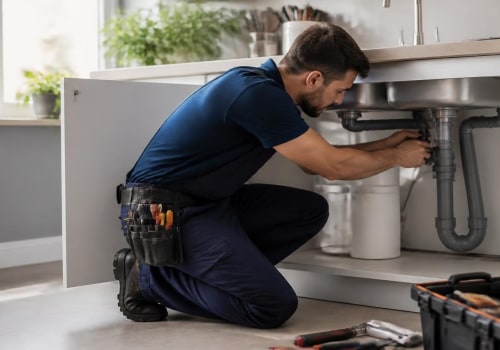
When it comes to maintaining a safe and functional home, plumbing installation services play a crucial role. These services encompass a wide range of tasks, from installing new pipes and fixtures to ensuring that existing systems are up to code. Understanding what plumbing installation entails is essential for homeowners who want to avoid costly repairs and ensure the longevity of their plumbing systems. At its core, plumbing installation involves the careful placement and connection of various components that make up a home's water supply and drainage systems. This includes everything from water heaters and faucets to sewer lines and drainage systems.
A well-executed installation not only enhances the efficiency of these systems but also contributes to the overall safety of the household. Poorly installed plumbing can lead to leaks, water damage, and even health hazards due to contaminated water. Moreover, understanding the importance of professional plumbing services cannot be overstated. While some homeowners may consider DIY approaches for minor repairs, complex installations require the expertise of trained professionals who are familiar with local codes and regulations. This ensures that all installations are performed safely and effectively, minimizing risks associated with plumbing failures.
Common Risks Associated with Plumbing Installation
When it comes to plumbing installation services, understanding the common risks involved is essential for ensuring a safe and efficient process.Several hazards can arise during plumbing installations, and being aware of these risks can help mitigate potential issues.
Water Damage
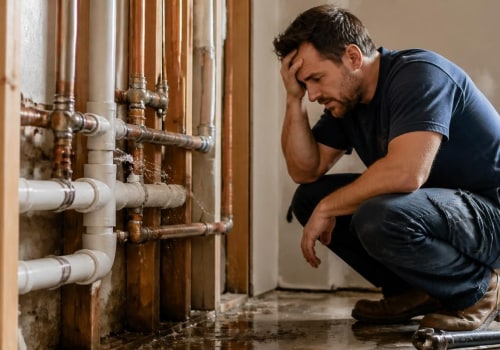
is one of the most significant risks associated with plumbing installations. Improperly sealed joints or faulty connections can lead to leaks, which may cause extensive damage to walls, floors, and personal belongings. To prevent this, it is crucial to conduct thorough inspections and use high-quality materials during installation.Electrical Hazards
are another concern, especially when plumbing systems intersect with electrical wiring. Water is a conductor of electricity, and any leaks or moisture can create dangerous situations.Electric shock or short circuits can occur if proper precautions are not taken. Always ensure that electrical systems are properly grounded and that any work near electrical components is performed by qualified professionals. Additionally, exposure to harmful materials poses a risk during plumbing installations. Older pipes may contain lead or other toxic substances that can be hazardous to health. It is vital to identify and replace any outdated materials before beginning installation work.
Furthermore, the use of certain adhesives and sealants may release volatile organic compounds (VOCs), which can be harmful if inhaled. Adequate ventilation and protective gear should be utilized to minimize exposure. Lastly, slips and falls are common accidents in plumbing installations due to wet surfaces or cluttered workspaces. Keeping the area organized and dry can significantly reduce this risk. Using non-slip footwear and ensuring proper lighting in the workspace are also effective safety measures. In summary, recognizing the common risks associated with plumbing installation services—such as water damage, electrical hazards, exposure to harmful materials, and slips—can help implement effective safety measures that protect both workers and property.
Essential Safety Precautions Before Starting Installation
Before embarking on any plumbing installation services, it is crucial to prioritize safety to prevent accidents and ensure a smooth workflow.Here are some essential safety precautions to consider:
- Assess the Work Area: Begin by thoroughly inspecting the installation site. Look for any potential hazards such as wet floors, exposed electrical wires, or unstable surfaces. Ensure that the area is clear of clutter and that there is adequate space to work.
- Gather Necessary Tools: Before starting, collect all required tools and materials. This includes wrenches, pipe cutters, sealants, and safety gear.
Having everything on hand minimizes the need to leave the work area frequently, reducing the risk of accidents.
- Wear Appropriate Safety Gear: Always wear personal protective equipment (PPE) such as gloves, goggles, and sturdy footwear. This gear protects against sharp objects, chemical exposure, and potential falls.
- Ensure Proper Ventilation: If your plumbing installation involves working with adhesives or solvents, ensure that the area is well-ventilated. Open windows and doors or use fans to circulate air, reducing the risk of inhaling harmful fumes.
- Check for Gas Leaks: If your plumbing installation involves gas lines, it’s vital to check for leaks before proceeding. Use a gas leak detector or a soapy water solution to identify any leaks in the system.
- Know Emergency Procedures: Familiarize yourself with emergency procedures in case of an accident.
This includes knowing the location of first aid kits and how to shut off water or gas supplies quickly.
Personal Protective Equipment (PPE) for Plumbers
When it comes to plumbing installation services, ensuring the safety of plumbers is paramount. One of the most effective ways to protect against potential hazards is through the use of personal protective equipment (PPE). This essential gear not only minimizes the risk of injury but also enhances overall job performance.Essential PPE for Plumbers
- Gloves: Durable gloves are crucial for protecting hands from sharp objects, chemicals, and hot surfaces.
Opt for gloves made from materials like nitrile or rubber that provide both dexterity and protection.
- Goggles: Eye protection is vital, especially when working with power tools or handling hazardous materials. Safety goggles can prevent debris and chemicals from causing serious eye injuries.
- Respirators or Masks: In situations where plumbers may be exposed to harmful fumes or dust, wearing a respirator or mask is essential. This equipment helps filter out harmful particles, ensuring clean air intake.
- Hard Hats: When working in environments where there is a risk of falling objects, hard hats provide necessary head protection. They are particularly important in construction sites or areas with overhead work.
- Steel-Toed Boots: Footwear should not be overlooked; steel-toed boots protect against heavy items that may fall and cause foot injuries.
Look for boots with slip-resistant soles for added safety on wet surfaces.
Safe Handling of Plumbing Tools and Materials
When it comes to plumbing installation services, the safe handling of tools and materials is paramount to ensure a smooth and accident-free process. Proper techniques not only protect the individual performing the installation but also safeguard the integrity of the plumbing system being installed.Safe Handling of Plumbing Tools
- Use the Right Tool for the Job: Always select tools that are specifically designed for plumbing tasks.
Using inappropriate tools can lead to accidents and injuries.
- Inspect Tools Before Use: Check for any signs of wear or damage. Tools with frayed cords, rust, or broken parts should be repaired or replaced before use.
- Wear Appropriate Personal Protective Equipment (PPE): Safety goggles, gloves, and steel-toed boots can protect against potential injuries while handling tools.
- Maintain a Clean Work Area: Clutter can lead to trips and falls. Keep your workspace organized and free from unnecessary items.
Handling Plumbing Materials Safely
- Lift Properly: When lifting heavy materials such as pipes or fixtures, use your legs instead of your back. Bend at the knees and keep your back straight to avoid strain.
- Store Materials Securely: Ensure that all plumbing materials are stored in a stable manner to prevent them from falling.
Use shelves or racks that can support the weight of the materials.
- Avoid Overloading: Do not overload yourself with too many materials at once. Make multiple trips if necessary to reduce the risk of dropping items.
Emergency Procedures During Plumbing Installation
During a plumbing installation, emergencies can arise unexpectedly, making it crucial to know the proper emergency procedures to follow. Here are the essential steps to take in case of a plumbing emergency:- Shut Off the Water Supply: The first step in any plumbing emergency is to immediately shut off the water supply.
Locate the main water shut-off valve, which is typically found near the water meter or where the main line enters your home. Turn the valve clockwise to stop the flow of water.
- Manage Leaks: If you notice a leak during the installation, try to contain it as much as possible. Use towels or buckets to catch dripping water and prevent further damage. If the leak is significant, consider using duct tape or a hose clamp temporarily until professional help arrives.
- Assess the Situation: Evaluate the severity of the situation.
If it’s a minor leak, you may be able to manage it until your plumber can return. However, if there’s a major issue, such as a burst pipe, immediate action is necessary.
- Contact Emergency Services: If you cannot resolve the issue on your own, contact your plumbing service provider immediately. Many plumbing companies offer 24/7 emergency response for situations that require urgent attention. Provide them with detailed information about the problem so they can prepare for their arrival.
Being prepared can save you time and reduce stress during a plumbing emergency.
Frequently Asked Questions About Plumbing Safety Precautions
When it comes to plumbing installation services, safety is a paramount concern. Here are some frequently asked questions that can help clarify the necessary precautions:What are the common safety precautions during plumbing installations?
- Personal Protective Equipment (PPE): Always wear appropriate PPE, including gloves, goggles, and masks, to protect against hazardous materials and debris.
- Shut Off Water Supply: Before starting any installation, ensure that the water supply is turned off to prevent flooding and water damage.
- Proper Ventilation: Ensure that the workspace is well-ventilated, especially when working with chemicals or solvents that can produce harmful fumes.
- Use of Tools: Always use the right tools for the job and ensure they are in good condition to avoid accidents.
Are there specific concerns for DIY plumbing installations?
Yes, DIY plumbing can pose several risks. Inadequate knowledge of plumbing systems can lead to:- Improper Installations: Incorrectly installed fixtures can cause leaks or even structural damage over time.
- Health Hazards: Exposure to mold or sewage can occur if proper safety measures are not taken.
- Legal Issues: Some areas require permits for plumbing work; failing to obtain these can result in fines or complications during home sales.
What should I do if I encounter a plumbing emergency during installation?
If you face a plumbing emergency, such as a burst pipe or severe leak, follow these steps:- Shut Off the Water Supply: Immediately turn off the main water valve to prevent further damage.
- Assess the Situation: Determine the extent of the problem and whether it requires professional assistance.
- Contact a Professional: If the issue is beyond your expertise, call a licensed plumber who can safely handle the situation.
Conclusion: Prioritizing Safety in Plumbing Installation Services
In conclusion, prioritizing safety during plumbing installation services is essential for ensuring the well-being of both the workers and homeowners. Throughout this article, we have highlighted several critical safety precautions that should be taken to mitigate risks associated with plumbing installations. First and foremost, it is vital to conduct a thorough assessment of the work area before beginning any installation.This includes identifying potential hazards such as electrical lines, gas pipes, or structural weaknesses that could pose a danger during the installation process. Proper planning and preparation can significantly reduce the likelihood of accidents. Additionally, using the right personal protective equipment (PPE) cannot be overstated. Workers should always wear appropriate gear, including gloves, goggles, and hard hats, to protect themselves from injuries. Furthermore, ensuring that all tools and equipment are in good working condition is crucial for maintaining a safe work environment. Another important aspect is adhering to local building codes and regulations.
Compliance not only ensures safety but also helps avoid legal issues that may arise from improper installations. Homeowners should also be informed about these regulations to understand the importance of hiring qualified professionals for their plumbing needs. Finally, ongoing training and education for plumbing professionals play a significant role in enhancing safety standards. Regular workshops and safety drills can keep workers updated on best practices and new technologies that improve safety during installations. By taking these precautions seriously, both plumbing professionals and homeowners can contribute to a safer environment during plumbing installation services. Ultimately, prioritizing safety not only protects individuals but also enhances the overall quality and reliability of plumbing systems in homes.