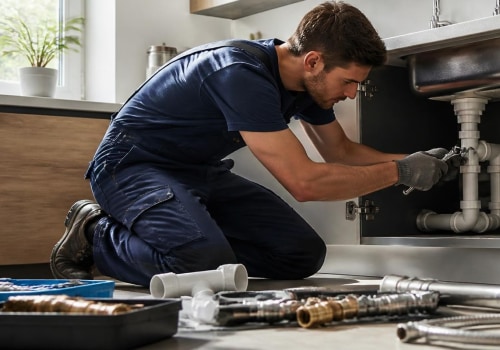
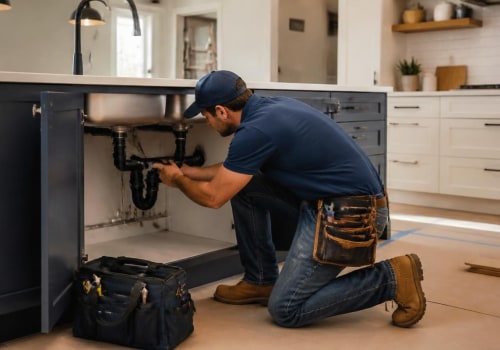
When it comes to maintaining a functional and efficient home, plumbing installation services play a crucial role. These services encompass the installation of various plumbing systems, including pipes, fixtures, and appliances that are essential for daily activities such as cooking, cleaning, and sanitation. Understanding the intricacies of these installations is vital for homeowners who wish to ensure their plumbing systems operate smoothly and effectively. Regular maintenance of plumbing installations is not just a matter of convenience; it is a necessity that can prevent costly repairs and extensive damage in the long run. Over time, wear and tear can lead to leaks, clogs, and other issues that compromise the integrity of your plumbing system.
By investing in routine inspections and maintenance provided by professional plumbing installation services, homeowners can identify potential problems early on and address them before they escalate. Moreover, the importance of plumbing maintenance extends beyond mere functionality. A well-maintained plumbing system contributes to the overall health of your home environment. It ensures clean water supply, proper waste disposal, and minimizes the risk of mold growth caused by leaks or stagnant water. Therefore, understanding the significance of plumbing installation services and committing to regular maintenance is essential for preserving both the efficiency and longevity of your plumbing systems.
Regular Inspections: The Key to Longevity
Regular inspections are essential for maintaining the integrity of your plumbing systems.By scheduling routine checks, homeowners can identify potential issues before they escalate into costly repairs. It is recommended to conduct these inspections at least once a year, although more frequent checks may be necessary in older homes or areas with hard water.
What to Look For:
- Leaks: Inspect all visible pipes, faucets, and fixtures for any signs of water leakage. Even small drips can lead to significant water damage over time.
- Corrosion: Check for rust or corrosion on metal pipes, which can weaken the structure and lead to leaks.
- Water Pressure: Monitor your water pressure; unusually high or low pressure can indicate underlying plumbing issues.
- Clogs: Look for slow drains or unusual gurgling sounds, which may signal clogs in the system.
- Odors: Be alert for any foul smells that could indicate sewage leaks or other plumbing problems.
Benefits of Regular Checks:
- Cost Savings: Early detection of issues can save homeowners from expensive repairs and water bills.
- Increased Lifespan: Regular maintenance extends the life of your plumbing installations, ensuring they function efficiently for years to come.
- Peace of Mind: Knowing that your plumbing system is in good condition provides reassurance and reduces stress.
By incorporating these simple practices into your routine, you can significantly enhance the performance and longevity of your plumbing installation services.
Common Plumbing Issues and How to Prevent Them
Maintaining your plumbing installations is crucial to avoid common issues that can lead to costly repairs. Here are some of the most frequent plumbing problems and effective prevention tips to keep your system in top shape.Common Plumbing Problems
- Plumbing Leaks: These can occur in pipes, faucets, and fixtures, often leading to water damage and increased utility bills.
- Clogged Drains: Accumulation of hair, grease, and debris can cause slow drainage or complete blockages.
- Running Toilets: This issue not only wastes water but can also indicate a malfunctioning flapper or fill valve.
- Low Water Pressure: This can be caused by mineral buildup in pipes or leaks that reduce the flow of water.
Prevention Tips
- Regular Inspections: Schedule routine inspections with professional plumbing installation services to identify potential issues before they escalate.
- Avoid Chemical Drain Cleaners: Instead, use natural methods like baking soda and vinegar to clear minor clogs without damaging your pipes.
- Monitor Water Pressure: Install a pressure gauge and ensure it stays within the recommended range (40-60 psi) to prevent stress on your plumbing system.
- Seal Leaks Promptly: If you notice any leaks, address them immediately to prevent further damage and mold growth.
- Educate Household Members: Teach everyone in your home about what should and shouldn’t go down the drains to minimize clogs.
The Role of Professional Plumbing Installation Services
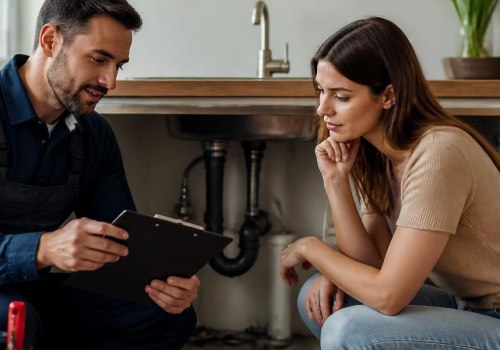
When it comes to ensuring the longevity and efficiency of your plumbing system, professional plumbing installation services play a crucial role. Hiring experienced plumbers not only guarantees that installations are performed correctly but also significantly reduces the risk of future issues.Benefits of Hiring Professional Plumbing Services
- Expertise and Experience: Professional plumbers bring years of training and hands-on experience to the table. They are well-versed in local building codes and regulations, ensuring that all installations comply with legal standards.
- Quality Workmanship: With their specialized skills, professional plumbers can execute installations with precision, minimizing the chances of leaks or malfunctions that could lead to costly repairs down the line.
- Access to Advanced Tools: Professional plumbing services utilize state-of-the-art tools and technology, which can enhance the quality of the installation process.
This access allows for more efficient work and better results.
- Long-Term Savings: While hiring a professional may seem like an added expense initially, it can save homeowners money in the long run by preventing issues that arise from improper installations.
Maintaining Efficiency Through Professional Installations
Properly installed plumbing systems are less likely to experience problems such as clogs or leaks. This efficiency not only enhances the performance of your plumbing but also contributes to lower water bills and reduced environmental impact. Regular maintenance checks by professionals can further ensure that your system remains in optimal condition.In conclusion, investing in professional plumbing installation services is essential for maintaining a reliable and efficient plumbing system. The expertise, quality workmanship, and long-term savings provided by skilled plumbers make them an invaluable resource for any homeowner looking to protect their investment.
DIY Maintenance Tips for Homeowners
Maintaining your plumbing installations is crucial for ensuring their longevity and efficiency.Here are some DIY maintenance tips that homeowners can easily implement:
- Regularly Check for Leaks: Inspect all visible pipes, faucets, and fixtures for any signs of leaks. Even a small drip can lead to significant water waste and damage over time.
- Clear Clogs Promptly: If you notice slow drainage in sinks or tubs, use a plunger or a drain snake to clear the blockage. Avoid chemical drain cleaners as they can damage pipes.
- Maintain Water Pressure: High water pressure can strain your plumbing system. Use a pressure gauge to check your home’s water pressure and adjust it if necessary.
- Insulate Pipes: In colder climates, insulating your pipes can prevent freezing and bursting during winter months.
Use foam pipe insulation or heat tape for added protection.
- Flush Your Water Heater: Sediment buildup in your water heater can reduce efficiency. Flush it at least once a year to remove sediment and improve performance.
- Know Your Shut-Off Valves: Familiarize yourself with the location of your main water shut-off valve and individual shut-off valves for appliances. This knowledge is essential in case of an emergency.
Seasonal Plumbing Maintenance Checklist
Maintaining your plumbing installations is crucial for ensuring their longevity and efficiency. A seasonal plumbing maintenance checklist can help you stay on top of necessary tasks throughout the year.Here’s a breakdown of what to focus on during each season:
Spring Maintenance
- Inspect Outdoor Faucets: Check for leaks or damage after winter. Ensure that all outdoor faucets are functioning properly.
- Clear Gutters and Downspouts: Remove debris to prevent water from backing up and causing damage to your plumbing system.
- Check for Leaks: Examine all visible pipes and fixtures for any signs of leaks, especially after the freeze-thaw cycle of winter.
Summer Maintenance
- Test Your Sump Pump: If you have a sump pump, test it to ensure it’s working effectively before the heavy rains of late summer.
- Inspect Hose Bibs: Ensure that hose bibs are not leaking and are ready for use during gardening and outdoor activities.
- Monitor Water Usage: Keep an eye on your water bill for any unexpected increases, which could indicate hidden leaks.
Fall Maintenance
- Winterize Outdoor Plumbing: Disconnect hoses and drain outdoor faucets to prevent freezing during winter months.
- Inspect Insulation: Check insulation around pipes in unheated areas to prevent freezing.
- Sewer Line Inspection: Consider a professional inspection to ensure your sewer lines are clear before winter.
winter Maintenance
- Keep Heat On: Maintain a consistent temperature in your home to prevent pipes from freezing.
- Burst Pipe Prevention: Open cabinet doors under sinks to allow warm air to circulate around plumbing.
- If You Leave Home: Consider draining your plumbing system if you plan to be away for an extended period during the cold months.
FAQs About Plumbing Installation Services and Maintenance
When it comes to plumbing installation services, many homeowners have questions about maintenance and troubleshooting. Here are some frequently asked questions that can help you keep your plumbing systems in optimal condition.What are the signs that my plumbing needs maintenance?
Common indicators that your plumbing may require attention include:- Unusual noises: Sounds like gurgling or banging can indicate air in the pipes or loose fittings.
- Slow drains: If water is draining slowly, it may be a sign of a clog or buildup in the pipes.
- Water stains: Discoloration on walls or ceilings can suggest leaks that need immediate attention.
- Increased water bills: A sudden spike in your water bill may indicate a hidden leak.
How often should I schedule plumbing maintenance?
It is advisable to schedule professional plumbing maintenance at least once a year.Regular inspections can help identify potential issues before they become major problems, ensuring your plumbing installation services remain effective and efficient.
What should I do if I experience a plumbing emergency?
If you encounter a plumbing emergency, such as a burst pipe or severe leak, follow these steps:- Shut off the water supply: Locate the main shut-off valve and turn it off to prevent further damage.
- Assess the situation: Determine the extent of the problem and whether it requires immediate professional help.
- Contact a plumber: Reach out to a licensed plumber who specializes in emergency services for prompt assistance.
Can I perform my own plumbing maintenance?
While some basic maintenance tasks can be done by homeowners, such as clearing minor clogs or checking for leaks, it is best to leave complex issues to professionals. Attempting significant repairs without proper knowledge can lead to more extensive damage and costly repairs.By understanding these common questions and their answers, you can better maintain your plumbing systems and ensure that your plumbing installation services continue to function smoothly.Conclusion: Keeping Your Plumbing in Optimal Condition
In conclusion, maintaining your plumbing installations is crucial for ensuring their longevity and efficiency. Regular maintenance not only helps in identifying potential issues before they escalate but also enhances the overall performance of your plumbing system. By following a few simple yet effective practices, you can keep your plumbing in optimal condition.Key Maintenance Tips:- Regular Inspections: Schedule routine inspections with professional plumbing installation services to catch any signs of wear and tear early.
- Drain Cleaning: Keep your drains clear of debris and buildup by using strainers and performing regular cleanings.
- Monitor Water Pressure: High water pressure can lead to leaks and pipe damage.
Use a pressure gauge to ensure it remains within safe limits.
- Check for Leaks: Regularly inspect faucets, toilets, and pipes for leaks, as even small drips can lead to significant water waste and damage over time.
- Insulate Pipes: Protect your pipes from freezing in colder months by insulating them, which can prevent costly repairs.