When it comes to maintaining the functionality and safety of any property, plumbing installation services play a crucial role. Whether in a cozy home or a bustling commercial space, the need for reliable plumbing systems is universal. These services encompass a wide range of tasks, from installing new pipes and fixtures to ensuring that existing systems are up to code and functioning efficiently. Understanding the nuances between residential plumbing and commercial plumbing is essential for property owners and managers alike. In residential settings, plumbing installation services focus on creating comfortable living environments.
This includes everything from kitchen and bathroom installations to managing water supply and drainage systems. Homeowners often seek these services to enhance their quality of life, ensuring that their plumbing systems are not only functional but also efficient and environmentally friendly. On the other hand, commercial plumbing installation services cater to businesses that require more complex systems due to higher usage demands. These installations must comply with stricter regulations and standards, as they often involve larger-scale operations such as restaurants, office buildings, and industrial facilities. The expertise required for commercial plumbing is distinct, emphasizing durability and compliance with local codes. Ultimately, whether for residential or commercial properties, investing in professional plumbing installation services is vital.
It ensures that the plumbing systems are installed correctly, reducing the risk of future issues and enhancing overall property value. As we delve deeper into this topic, we will explore the specific needs and considerations for both residential and commercial plumbing installations.
What Are Plumbing Installation Services?
Plumbing installation services encompass a wide range of tasks essential for both residential and commercial properties. These services are crucial for ensuring that water supply and drainage systems function efficiently and safely. Understanding the various components involved in plumbing installation can help property owners appreciate the importance of hiring qualified professionals.At the core of plumbing installation services are several key tasks:- Pipe Installation: This involves laying down the necessary pipes that transport water to and from various fixtures.
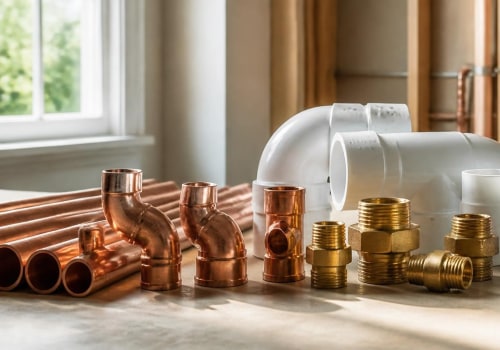
Different materials, such as PVC, copper, or PEX, may be used depending on the specific requirements of the property.
- Fixture Setup: Plumbing installation also includes the installation of fixtures like sinks, toilets, bathtubs, and showers. Proper setup is vital to ensure that these fixtures operate correctly and do not leak.
- Water Heater Installation: A critical aspect of plumbing services is the installation of water heaters, which provide hot water for various needs in both residential and commercial settings.
- Sewer Line Installation: This task involves connecting the property’s plumbing system to the municipal sewer system or installing a septic system for waste disposal.
- System Testing: After installation, thorough testing is conducted to ensure that all systems are functioning properly. This includes checking for leaks, ensuring adequate water pressure, and verifying that drainage systems work effectively.
Differences Between Residential and Commercial Plumbing Installation
When it comes to plumbing installation services, understanding the differences between residential and commercial properties is crucial for effective planning and execution.Each type of property presents unique challenges and requirements that can significantly impact the installation process.
Scale and Complexity
One of the primary differences lies in the scale of the plumbing systems.Residential plumbing
typically involves smaller systems designed for single-family homes or apartments. These systems are generally less complex, focusing on basic needs such as water supply, drainage, and waste management. In contrast, commercial plumbing installations cater to larger buildings like offices, restaurants, or shopping centers. These systems must accommodate higher volumes of water usage and often include more intricate designs to manage multiple bathrooms, kitchens, and other facilities simultaneously.The complexity increases with the need for specialized equipment such as grease traps, backflow preventers, and larger piping systems.
Regulatory Requirements
Another significant difference is the regulatory landscape governing plumbing installations.Commercial properties
are subject to stricter codes and regulations due to their size and the potential impact on public health and safety. This includes compliance with local building codes, health department regulations, and fire safety standards. On the other hand, while residential plumbing also requires adherence to local codes, the regulations are generally less stringent. Homeowners may have more flexibility in their choices but still need to ensure that installations meet basic safety standards.Maintenance Considerations
The maintenance needs of residential versus commercial plumbing systems also differ significantly.Residential systems may require routine checks and occasional repairs, while commercial systems often necessitate regular inspections and preventive maintenance to avoid costly downtime. In summary, understanding these differences in plumbing installation services is essential for property owners and managers. Whether you are overseeing a residential project or managing a commercial property, recognizing the unique challenges can lead to more effective planning and execution of plumbing installations.
Common Plumbing Installation Services for Residential Properties
When it comes to plumbing installation services for residential properties, homeowners can expect a variety of essential services tailored to meet their specific needs. Understanding these services can help you make informed decisions when upgrading or maintaining your home’s plumbing system.- Bathroom Installations: This includes the installation of sinks, toilets, bathtubs, and showers. A professional plumber ensures that all fixtures are properly connected to the water supply and drainage systems, preventing leaks and ensuring optimal performance.
- Kitchen Installations: From installing new sinks and faucets to connecting dishwashers and garbage disposals, kitchen plumbing installations are crucial for functionality.
Plumbers also handle the installation of water lines for refrigerators with ice makers.
- Water Heater Installation: Whether you opt for a traditional tank water heater or a modern tankless model, professional installation is key. Plumbers ensure that the unit is correctly connected to your home’s plumbing and electrical systems, maximizing efficiency and safety.
- Piping and Repiping Services: Over time, pipes can corrode or become damaged. Plumbing installation services often include replacing old pipes with new materials that are more durable and efficient, such as PEX or copper.
- Sump Pump Installation: In areas prone to flooding, sump pumps are essential for preventing water damage. A plumber will install the pump in your basement or crawl space to effectively manage excess water.
By hiring experienced professionals for your home plumbing installation needs, you can ensure that all work is completed to code and with high-quality materials, ultimately saving you time and money in the long run.
Common Plumbing Installation Services for Commercial Properties
When it comes to plumbing installation services for commercial properties, business owners have a range of specialized options tailored to meet the unique demands of larger facilities. Unlike residential plumbing, commercial plumbing systems are designed to handle higher volumes of water and waste, making professional installation crucial.- Water Supply Systems: Commercial properties often require extensive water supply systems that can support multiple fixtures and appliances simultaneously. This includes the installation of larger pipes, valves, and backflow prevention devices to ensure a consistent and safe water supply.
- Drainage Systems: Effective drainage is vital in commercial settings. Plumbing installation services may involve the setup of complex drainage systems that include grease traps, sump pumps, and floor drains to manage wastewater efficiently.
- Restroom Facilities: Businesses typically need multiple restroom facilities, which necessitate the installation of numerous toilets, sinks, and urinals.
These installations must comply with local building codes and accessibility standards.
- Kitchen Installations: For restaurants and food service businesses, specialized plumbing installations are essential. This includes the setup of commercial-grade sinks, dishwashers, and ice machines that require robust plumbing solutions.
- HVAC Systems: Many commercial properties also integrate plumbing with heating, ventilation, and air conditioning (HVAC) systems. Proper installation ensures efficient operation and compliance with health regulations.
Choosing the Right Plumbing Installation Service Provider
When it comes to selecting the right plumbing installation services, whether for residential or commercial properties, making an informed choice is crucial.Here are some key factors to consider:
- Experience and Expertise: Look for a plumbing service provider with a proven track record in both residential and commercial projects. Experienced plumbers are more likely to understand the complexities involved in different types of installations.
- Licensing and Insurance: Ensure that the plumbing company is licensed and insured. This not only protects you from liability but also indicates that the provider meets industry standards and regulations.
- References and Reviews: Check online reviews and ask for references from previous clients. Positive feedback can give you confidence in the quality of their work.
- Range of Services: A good plumbing service should offer a comprehensive range of services, including installation, maintenance, and emergency repairs.
This versatility can be beneficial for both residential and commercial needs.
- Estimates and Pricing: Obtain detailed estimates from multiple providers. Compare their pricing structures, but remember that the cheapest option may not always be the best in terms of quality.
- Customer Service: Evaluate their customer service approach. A responsive and professional team can make a significant difference, especially when dealing with urgent plumbing issues.
Frequently Asked Questions About Plumbing Installation Services
When considering plumbing installation services, many property owners have questions regarding the process, costs, and maintenance. Here are some frequently asked questions that can help clarify these aspects.What are the typical costs associated with plumbing installation services?
The cost of plumbing installation services can vary significantly based on several factors, including the complexity of the job, the materials used, and the location of the property.On average, homeowners can expect to pay between $1,000 and $5,000 for standard installations. For commercial properties, costs may be higher due to larger systems and more stringent regulations.
How long does a plumbing installation take?
The timeline for plumbing installation services depends on the scope of the project. Simple installations, such as replacing a sink or toilet, may take just a few hours. More extensive projects, like installing a new plumbing system in a commercial building, can take several days or even weeks.It's essential to consult with your plumber for a more accurate estimate based on your specific needs.
What maintenance is required after installation?
To ensure the longevity of your plumbing system, regular maintenance is crucial. Here are some tips:- Inspect for leaks: Regularly check pipes and fixtures for any signs of leaks or corrosion.
- Clear clogs: Use drain screens and avoid flushing inappropriate items to prevent clogs.
- Schedule professional inspections: Have a licensed plumber inspect your system annually to catch potential issues early.
Conclusion: The Importance of Professional Plumbing Installation Services
In conclusion, plumbing installation services play a crucial role in both residential and commercial properties. The complexity and scale of plumbing systems can vary significantly between these two environments, but the need for professional expertise remains constant. Whether it’s a single-family home or a multi-story office building, the integrity of the plumbing system is essential for functionality and safety.For residential properties, proper plumbing installation ensures that homeowners enjoy reliable access to water and waste disposal.It prevents common issues such as leaks, clogs, and water damage, which can lead to costly repairs and health hazards. Homeowners benefit from hiring professionals who understand local codes and regulations, ensuring that installations are compliant and safe.On the other hand, commercial properties often have more complex plumbing needs due to higher usage demands and specialized systems. From restaurants requiring grease traps to office buildings needing extensive piping networks, the stakes are higher. A malfunctioning plumbing system in a commercial setting can disrupt business operations and lead to significant financial losses.
Key Takeaways:
- Expertise: Professional plumbers bring the necessary skills and knowledge to handle installations correctly.
- Compliance: Adhering to local building codes is vital for safety and legality.
- Long-term Savings: Investing in quality plumbing installation can prevent future issues and save money over time.
It ensures that your plumbing system operates efficiently, safeguarding your property and enhancing its value.