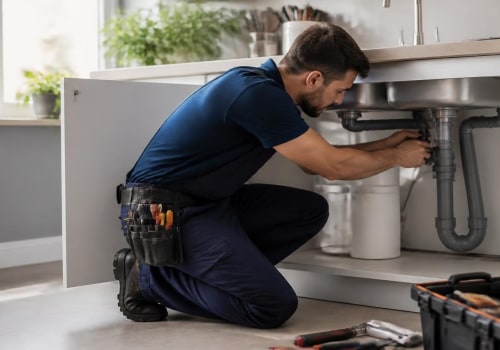
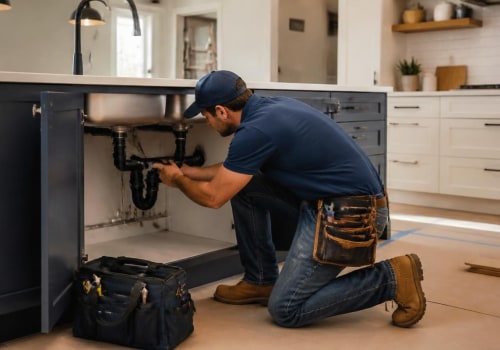
When it comes to plumbing installation services, understanding the intricacies involved is crucial for homeowners and businesses alike. These services are essential for ensuring that water supply and drainage systems function efficiently, but they also come with a set of potential risks and hazards that must be acknowledged. From improper installation techniques to the use of substandard materials, the consequences of overlooking these risks can lead to significant issues down the line. One of the primary concerns in plumbing installation is the potential for water damage. A poorly installed pipe can lead to leaks, which may not only cause structural damage but also create an environment conducive to mold growth.
Additionally, there are health risks associated with plumbing installations, particularly when dealing with sewage systems or contaminated water sources. Understanding these hazards is vital for anyone considering plumbing work. Moreover, the complexity of modern plumbing systems means that even minor mistakes can have far-reaching effects. For instance, incorrect venting can lead to sewer gas leaks, posing serious health risks to occupants. As we delve deeper into this topic, we will explore specific hazards associated with plumbing installation services and discuss best practices to mitigate these risks effectively.
Common Risks Associated with Plumbing Installation
When considering plumbing installation services, it is essential to be aware of the potential risks that can arise during the process.Understanding these risks can help homeowners make informed decisions and take necessary precautions. One of the most significant hazards associated with plumbing installation is water damage. Improperly installed pipes or fittings can lead to leaks, which may go unnoticed for extended periods. This can result in extensive damage to walls, floors, and even the foundation of a home. In severe cases, water damage can lead to mold growth, which poses additional health risks. Another common risk is the potential for structural issues.
Plumbing installations often require alterations to existing structures, such as cutting into walls or floors. If not done correctly, this can compromise the integrity of the building. For instance, removing load-bearing walls without proper support can lead to serious structural failures. Additionally, there are health hazards associated with plumbing installations. For example, if sewage lines are not installed or maintained properly, there is a risk of contamination.
This can expose residents to harmful bacteria and pathogens, leading to serious health issues. Moreover, improper venting during installation can cause gas leaks or backflow issues, which are dangerous and potentially life-threatening. Ensuring that all gas lines and vents are correctly installed is crucial for safety. To mitigate these risks, it is advisable to hire qualified professionals who are experienced in plumbing installation services. They will have the knowledge and tools necessary to perform installations safely and effectively, reducing the likelihood of encountering these hazards. In summary, being aware of the common risks associated with plumbing installation—such as water damage, structural issues, and health hazards—can help homeowners take proactive steps to protect their property and well-being.
Health Hazards Linked to Plumbing Installations
When it comes to plumbing installation services, the potential for health hazards is a significant concern that homeowners must address. Improper installations can lead to various issues, particularly regarding mold growth and the contamination of drinking water.Mold and Bacteria in Plumbing
- Moisture accumulation from leaks or poorly installed pipes creates an ideal environment for mold and bacteria to thrive.
- These microorganisms can lead to respiratory problems, allergic reactions, and other health issues, especially in vulnerable populations such as children and the elderly.
- Regular inspections and maintenance of plumbing systems are essential to prevent mold growth.
Water Quality Issues
- Poorly installed plumbing can result in cross-contamination between potable and non-potable water sources, posing serious health risks.
- Contaminants such as lead from old pipes or harmful bacteria can enter drinking water supplies, leading to gastrointestinal illnesses and other serious health conditions.
- Homeowners should consider testing their water quality regularly, especially after any plumbing work is completed.
By ensuring proper installation and regular maintenance, you can significantly reduce the likelihood of mold growth and water contamination, thereby protecting your family's health.
Financial Implications of Poor Plumbing Installations
When it comes to plumbing installation services, the financial implications of poor workmanship can be significant. Inadequate installations can lead to a range of issues that not only compromise the integrity of your plumbing system but also result in costly repairs and potential property damage.Cost of Plumbing Mistakes
- Initial installation errors can lead to leaks, which may go unnoticed until they cause extensive damage.
- Improperly installed fixtures or pipes can lead to frequent clogs and backups, necessitating ongoing maintenance and repair.
- In some cases, a DIY approach or hiring unqualified personnel can result in a complete reinstallation, which is far more expensive than getting it right the first time.
- Water damage from leaks can affect walls, flooring, and even the foundation of your home, leading to expensive repairs.
- Insurance claims for water damage may not cover all costs if the damage is deemed a result of poor installation.
- Increased utility bills due to inefficient plumbing systems can add up over time, further straining your finances.
- The average cost of plumbing repairs can range from a few hundred to several thousand dollars, depending on the extent of the damage.
- Emergency repairs often come with a premium price tag, especially if they occur during off-hours or weekends.
- Regular maintenance and inspections by qualified professionals can help mitigate these costs by identifying potential issues before they escalate.
Legal Risks and Liabilities in Plumbing Services
When it comes to plumbing installation services, understanding the legal landscape is crucial for both homeowners and contractors. Engaging in plumbing work without adhering to local laws can lead to significant legal issues.Permits and Regulations
- Most municipalities require specific permits for plumbing installations.
Failing to obtain these permits can result in fines and the need to redo work that was not approved.
- Local building codes dictate the standards for plumbing systems, including materials used and installation methods. Non-compliance can lead to unsafe conditions and potential legal repercussions.
Liability in Plumbing Services
- If a plumbing installation fails due to negligence or improper practices, the contractor may be held liable for damages. This includes any resulting property damage or personal injury.
- Homeowners should ensure that their chosen plumbing service carries adequate insurance. This protects both parties in case of accidents or mishaps during the installation process.
Legal Issues in Plumbing Installation
- Disputes may arise over contract terms, especially if the scope of work is not clearly defined.
Homeowners should always have a written agreement detailing the services provided.
- In some cases, homeowners may face legal action if they attempt DIY plumbing installations without proper knowledge or permits, leading to unsafe conditions.
Preventative Measures to Mitigate Plumbing Risks
When it comes to plumbing installation services, taking proactive steps can significantly reduce the risks associated with improper installations. Here are some effective preventative measures to consider:- Hire Licensed Professionals: Always opt for licensed plumbers who have the necessary training and experience. A licensed plumber is more likely to adhere to local codes and regulations, ensuring that the installation is safe and compliant.
- Check References and Reviews: Before hiring a plumbing service, check their references and read online reviews. This can provide insight into their reliability and quality of work.
- Request Detailed Estimates: Obtain written estimates that outline the scope of work, materials needed, and total costs.
This transparency helps prevent unexpected expenses and ensures that all necessary precautions are taken.
- Understand Local Codes: Familiarize yourself with local plumbing codes and regulations. This knowledge can help you ensure that the installation meets safety standards and avoids potential hazards.
- Conduct Regular Inspections: After installation, schedule regular inspections to identify any potential issues early on. This proactive approach can help catch problems before they escalate into costly repairs.
- Use Quality Materials: Invest in high-quality materials that are durable and suitable for your specific plumbing needs. Cheap materials may save money initially but can lead to significant issues down the line.
- Follow Manufacturer Instructions: Always adhere to manufacturer guidelines when installing plumbing fixtures or systems.
This ensures proper functionality and reduces the risk of malfunctions.
- Educate Yourself: Understanding basic plumbing principles can empower you to make informed decisions and recognize potential hazards during installations.
Frequently Asked Questions About Plumbing Installation Risks
When considering plumbing installation services, many homeowners have questions about the potential risks involved. Understanding these risks can help you make informed decisions and ensure a safe installation process.What are the common risks associated with plumbing installations?
- Water Damage: Improper installation can lead to leaks, which may cause significant water damage to your property.
- Structural Issues: Incorrectly installed pipes can create pressure that may damage walls, ceilings, or foundations.
- Health Hazards: Poor plumbing can lead to mold growth or contamination of drinking water, posing health risks to your family.
- Increased Costs: Mistakes during installation may require costly repairs or replacements down the line.
How can I minimize risks during plumbing installation?
- Hire Licensed Professionals: Always choose licensed and experienced plumbers who understand local codes and regulations.
- Get Multiple Quotes: Comparing quotes from different service providers can help you find a reliable plumber at a fair price.
- Ask for References: Requesting references from previous clients can give you insight into the plumber's reliability and quality of work.
- Review Warranties: Ensure that the plumbing installation comes with a warranty to protect against future issues.
Conclusion: Navigating the Risks of Plumbing Installation Services
In conclusion, understanding the potential risks associated with plumbing installation services is crucial for homeowners and property managers alike. By being aware of these hazards, you can take proactive steps to mitigate them, ensuring a smoother installation process and safeguarding your property. Throughout this article, we have highlighted several key risks, including:- Water Damage: Improper installation can lead to leaks, which may cause significant water damage over time.
- Structural Issues: Faulty plumbing can compromise the integrity of your home’s structure, leading to costly repairs.
- Health Hazards: Poorly installed plumbing can result in contamination of drinking water or create environments conducive to mold growth.
- Legal and Compliance Risks: Failing to adhere to local plumbing codes can result in fines and the need for costly rework.
- Hire Qualified Professionals: Always choose licensed and experienced plumbers who understand local regulations and best practices.
- Conduct Thorough Research: Investigate potential contractors by checking reviews, references, and their history of completed projects.
- Request Detailed Estimates: Ensure that you receive comprehensive quotes that outline all aspects of the installation process.
Ultimately, investing time in understanding these risks will lead to a more successful and stress-free plumbing project.