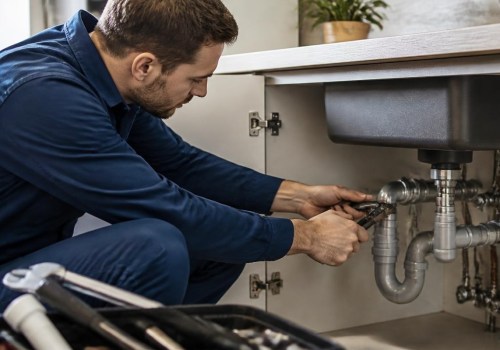
When it comes to plumbing installation services, understanding the materials involved is crucial for both homeowners and professionals alike. The choice of materials not only affects the durability and efficiency of the plumbing system but also impacts the overall cost and maintenance requirements. With a variety of options available, each material brings its own set of advantages and disadvantages, making it essential to choose wisely based on specific needs and conditions. In this exploration of plumbing materials, we will delve into the most commonly used types, including copper, PVC, PEX, and galvanized steel. Each of these materials has unique properties that make them suitable for different applications within a plumbing system.
For instance, while copper is renowned for its longevity and resistance to corrosion, PVC is favored for its lightweight nature and ease of installation. Understanding these differences can help you make informed decisions when hiring plumbing installation services.Moreover, the selection of plumbing materials can significantly influence water quality, energy efficiency, and even the environmental impact of your plumbing system. As we navigate through the various types of plumbing materials, we will highlight key considerations such as cost-effectiveness, installation complexity, and long-term performance. This foundational knowledge will empower you to engage more effectively with plumbing installation services, ensuring that your home’s plumbing system is not only functional but also optimized for years to come.
Common Materials Used in Plumbing Installations
When it comes to plumbing installation services, the choice of materials is crucial for ensuring durability, efficiency, and safety.Here are some of the most common materials used in plumbing installations:
- PVC (Polyvinyl Chloride) : This lightweight plastic is widely used for drain, waste, and vent pipes. Its resistance to corrosion and low cost make it a popular choice for residential plumbing.
- CPVC (Chlorinated Polyvinyl Chloride) : Similar to PVC but with higher temperature resistance, CPVC is often used for hot water lines. It is also easy to install and resistant to chemical damage.
- PEX (Cross-Linked Polyethylene) : Known for its flexibility and ease of installation, PEX is increasingly popular for both hot and cold water supply lines. It can be snaked into walls and around corners without the need for joints.
- Copper : A traditional choice for plumbing, copper pipes are durable and resistant to bacteria.
They are often used in water supply lines but can be more expensive than plastic alternatives.
- Galvanized Steel : Once a common material for plumbing, galvanized steel pipes are now less frequently used due to their susceptibility to rust and corrosion. However, they may still be found in older homes.
- Cast Iron : Typically used for drainage systems, cast iron pipes are known for their strength and sound-dampening properties. They are often found in commercial buildings.
Types of Pipes Used in Plumbing
When it comes to plumbing installation services, the choice of pipe material is crucial for ensuring durability, efficiency, and safety.Here are some of the most common types of pipes used in plumbing:
- PVC Pipes: Polyvinyl chloride (PVC) pipes are widely used for drainage, waste, and vent systems. They are lightweight, resistant to corrosion, and easy to install. However, they are not suitable for hot water applications as they can warp under high temperatures.
- Copper Pipes: Known for their longevity and reliability, copper pipes are often used for water supply lines. They can withstand high temperatures and pressures, making them ideal for both hot and cold water systems.
On the downside, copper is more expensive than other materials and can be prone to corrosion in certain water conditions.
- PEX Pipes: Cross-linked polyethylene (PEX) pipes have gained popularity due to their flexibility and ease of installation. They can be snaked into walls and around corners without the need for joints, reducing the risk of leaks. PEX is also resistant to scale and chlorine, making it a great choice for residential plumbing. However, it is not suitable for outdoor use as UV exposure can degrade the material.
Understanding these differences can help homeowners make informed decisions about which materials to use in their plumbing systems.
Fittings and Fixtures in Plumbing Installations
In any plumbing installation, the choice of fittings and fixtures is crucial for ensuring a reliable and efficient system. These components not only connect various parts of the plumbing system but also play a significant role in its overall functionality.Types of Plumbing Fittings
- Elbows: Used to change the direction of pipes, elbows are essential for navigating around obstacles.
- Tees: These fittings allow for branching off from a main line, enabling multiple connections.
- Couplings: Couplings connect two sections of pipe, ensuring a tight seal and preventing leaks.
- Adapters: Adapters are used to connect pipes of different sizes or materials, facilitating compatibility.
- Valves: Valves control the flow of water within the system, allowing for shut-off and regulation.
Plumbing Fixtures
While fittings are essential for connecting pipes, plumbing fixtures are the visible components that users interact with daily. These include:- Sinks: Available in various styles and materials, sinks are fundamental in kitchens and bathrooms.
- Toilets: Modern toilets come with advanced features for efficiency and comfort.
- Showers and Bathtubs: These fixtures provide essential bathing options, with designs ranging from simple to luxurious.
- Faucets: Faucets control water flow and temperature, available in numerous designs to match any decor.
Understanding the types of fittings and fixtures available can help homeowners make informed decisions when planning their plumbing systems.
Choosing the Right Material for Your Plumbing Needs
When it comes to plumbing installation services, selecting the right materials is crucial for ensuring longevity and efficiency. The choice of plumbing materials can significantly impact the overall performance of your plumbing system. Here are some key factors to consider when choosing plumbing materials:- Cost: Budget constraints often dictate material selection. While some materials may have a lower upfront cost, they could lead to higher maintenance expenses in the long run.
- Durability: Consider how long the material will last under various conditions.
For instance, copper pipes are known for their durability, while PVC is lightweight and resistant to corrosion.
- Application: Different plumbing applications require different materials. For example, drainage systems often use PVC, while water supply lines may benefit from copper or PEX.
Best Plumbing Materials
Here’s a brief overview of some of the most commonly used plumbing materials:- Copper: Highly durable and resistant to corrosion, copper is ideal for water supply lines but can be more expensive than other options.
- PVC (Polyvinyl Chloride): A popular choice for drainage and venting systems due to its affordability and ease of installation.
- PEX (Cross-Linked Polyethylene): Flexible and resistant to scale and chlorine, PEX is increasingly used for both hot and cold water supply lines.
- Galvanized Steel: Once common for water supply lines, it is now less favored due to its susceptibility to rust and corrosion.
Environmental Considerations in Plumbing Materials
As the demand for plumbing installation services continues to grow, so does the need for environmentally conscious choices in plumbing materials. The impact of these materials on the environment can be significant, making it essential to consider sustainable options.Eco-Friendly Plumbing Materials
- PVC (Polyvinyl Chloride): While traditional PVC has faced criticism for its environmental impact, newer formulations are being developed that are more eco-friendly.
These alternatives reduce harmful emissions during production and disposal.
- PEX (Cross-Linked Polyethylene): PEX is a flexible plastic piping that is not only durable but also requires less energy to produce compared to metal pipes. Its longevity and resistance to corrosion make it a sustainable choice.
- Copper: Although more expensive, copper is a highly recyclable material. Its durability and resistance to bacteria make it a safe option for drinking water systems.
- Stainless Steel: Like copper, stainless steel is recyclable and has a long lifespan. It is resistant to corrosion and can be used in various plumbing applications.
Sustainable Plumbing Options
In addition to choosing the right materials, implementing sustainable practices in plumbing installations can further reduce environmental impact.
For instance:
- Utilizing low-flow fixtures can significantly decrease water usage without sacrificing performance.
- Incorporating rainwater harvesting systems can help conserve water and reduce reliance on municipal supplies.
- Using energy-efficient water heaters can lower energy consumption and greenhouse gas emissions.
Frequently Asked Questions About Plumbing Installation Materials
When considering plumbing installation services, many homeowners have questions about the materials used in their plumbing systems. Understanding these materials can help you make informed decisions and ensure the longevity and efficiency of your plumbing.What are the most common materials used in plumbing installations?
- Copper: Known for its durability and resistance to corrosion, copper is a popular choice for both hot and cold water supply lines.
- PVC (Polyvinyl Chloride): This lightweight plastic is commonly used for drain, waste, and vent pipes due to its affordability and ease of installation.
- PEX (Cross-Linked Polyethylene): Flexible and resistant to scale and chlorine, PEX is increasingly favored for residential plumbing systems.
- Galvanized Steel: Once a standard for water supply lines, galvanized steel is now less common due to its susceptibility to rust over time.
What should I consider when choosing plumbing materials?
When selecting materials for your plumbing installation, consider the following factors:- Durability: Choose materials that can withstand pressure and resist corrosion.
- Cost: Evaluate both initial costs and long-term maintenance expenses.
- Local Building Codes: Ensure that the materials comply with local regulations and standards.
- Installation Complexity: Some materials require specialized skills or tools for installation, which can affect labor costs.
Are there any health concerns related to plumbing materials?
Yes, certain materials can pose health risks. For example, older homes with lead pipes may have contaminated water supplies.It's crucial to assess your plumbing system and consult with professionals about safe alternatives if you suspect lead or other hazardous materials are present.If you have further questions about specific materials or need assistance with your plumbing installation, don't hesitate to reach out to qualified plumbing installation services.
Conclusion: Key Takeaways on Plumbing Installation Materials
In summary, understanding the various materials used in plumbing installation services is crucial for making informed decisions about your plumbing needs. Each material comes with its own set of advantages and disadvantages, which can significantly impact the longevity and efficiency of your plumbing system.- Copper: Known for its durability and resistance to corrosion, copper is a popular choice for both residential and commercial plumbing. Its ability to withstand high temperatures makes it ideal for hot water lines.
- PVC: This lightweight plastic is favored for its affordability and ease of installation. PVC pipes are commonly used for drainage and venting systems, but they are not suitable for hot water applications.
- PEX: Cross-linked polyethylene (PEX) has gained popularity due to its flexibility and resistance to scale and chlorine.
It is particularly useful in retrofitting projects where traditional piping may be difficult to install.
- Galvanized Steel: While once a standard choice, galvanized steel has fallen out of favor due to its susceptibility to rust and corrosion over time. However, it may still be found in older homes.
Take the time to evaluate your options carefully, ensuring that you choose materials that align with your budget and long-term goals.