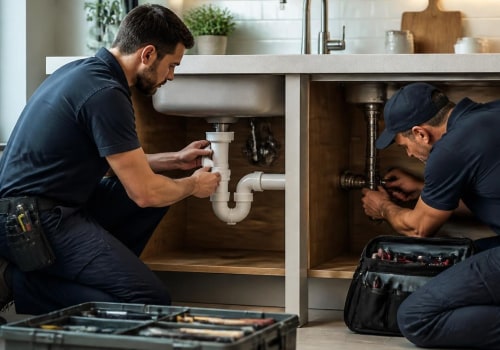
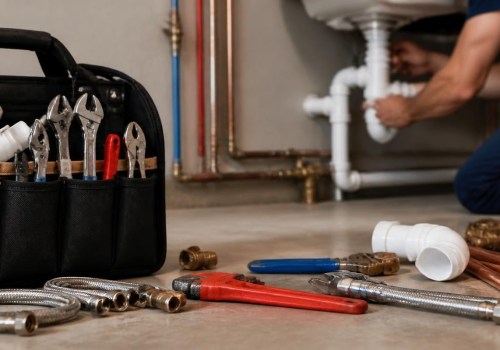
When it comes to maintaining a safe and functional home, plumbing installation services play a pivotal role. These services not only ensure that your plumbing systems are installed correctly but also set the foundation for long-term efficiency and reliability. A well-executed plumbing installation can prevent a myriad of issues, from minor leaks to major water damage, making it essential to prioritize professional services from the outset. However, the importance of plumbing inspections and regular maintenance cannot be overstated. Just as you wouldn’t skip routine check-ups for your health, your plumbing system requires periodic evaluations to identify potential problems before they escalate.
Regular inspections can uncover hidden leaks, corrosion, or blockages that may not be immediately visible but could lead to significant damage if left unchecked. Moreover, investing in plumbing maintenance not only extends the lifespan of your plumbing systems but also enhances their efficiency. This proactive approach can save homeowners money in the long run by reducing the likelihood of costly repairs and ensuring that water usage remains at optimal levels. In essence, understanding the value of plumbing installation services and committing to regular inspections and maintenance is crucial for safeguarding your home and ensuring peace of mind.
How Often Should Plumbing Installations Be Inspected?
Regular inspections of plumbing installations are crucial for maintaining the integrity and efficiency of your plumbing system. The frequency of these inspections can vary based on several factors, including the age of the system, the materials used, and local environmental conditions.General Recommendations:- Annual Inspections: For most residential plumbing systems, an annual inspection is recommended.
This allows for early detection of potential issues such as leaks, corrosion, or blockages.
- New Installations: Newly installed plumbing systems should be inspected within the first year to ensure everything is functioning correctly and to address any installation-related issues.
- Older Systems: Homes with plumbing systems over 20 years old should consider bi-annual inspections. Older pipes are more susceptible to wear and tear, making regular checks essential.
- Water Heaters: These should be inspected at least once a year to check for sediment buildup and ensure proper functioning.
- Sump Pumps: If you have a sump pump, inspect it every six months to ensure it operates effectively during heavy rains.
- Drainage Systems: Regular checks every 1-2 years can help prevent clogs and backups.
Factors Influencing Inspection Frequency
When considering how often to schedule inspections for plumbing installation services, several key factors come into play.Understanding these factors can help homeowners and property managers make informed decisions about maintenance and inspections.
Age of the Plumbing System
The age of your plumbing system is one of the most significant factors influencing inspection frequency. Older systems, particularly those over 20 years, are more prone to wear and tear. As pipes corrode and joints weaken, the likelihood of leaks and other issues increases. Therefore, it is advisable to have older plumbing installations inspected at least once a year to catch potential problems early.Usage Patterns
The way a plumbing system is used can also dictate how often it should be inspected.For instance, homes with large families or high water usage may experience more strain on their plumbing systems compared to those with fewer occupants. In such cases, more frequent inspections—perhaps every six months—can help identify issues that arise from heavy usage.
Environmental Factors
Environmental conditions can significantly impact plumbing systems as well. Areas prone to extreme weather conditions, such as freezing temperatures or heavy rainfall, may require more frequent inspections. For example, freezing temperatures can lead to pipe bursts, while heavy rains can cause flooding that affects plumbing integrity.Previous Issues
If a plumbing system has a history of problems, such as recurring leaks or clogs, it’s wise to increase the frequency of inspections.Regular monitoring can help prevent minor issues from escalating into major repairs.In summary, the frequency of inspections for plumbing installation services should be tailored based on the age of the system, usage patterns, environmental factors, and any previous issues. By considering these elements, homeowners can ensure their plumbing systems remain in optimal condition and avoid costly repairs down the line.
Signs Your Plumbing Installation Needs Immediate Attention
Recognizing the signs of plumbing issues early can save you from costly repairs and extensive damage to your home. Here are some common indicators that your plumbing installation may need immediate attention:- Unusual Sounds: If you hear gurgling, banging, or hissing noises coming from your pipes, it could indicate air trapped in the system or a blockage that needs to be addressed.
- Water Stains: Discoloration on walls or ceilings often points to leaks. If you notice brown or yellow stains, it’s crucial to investigate further.
- Low Water Pressure: A sudden drop in water pressure can signal a leak or blockage in your plumbing system.
If you experience this, it’s time to call a plumber.
- Slow Drains: If multiple drains in your home are slow, it may indicate a serious clog in the main sewer line. This is a situation that requires immediate professional attention.
- Foul Odors: Unpleasant smells emanating from drains can suggest a buildup of waste or a sewer line issue. Don’t ignore these odors; they can indicate significant plumbing problems.
- Frequent Clogs: If you find yourself constantly dealing with clogged sinks or toilets, it may be time to evaluate your plumbing installation for underlying issues.
Benefits of Regular Plumbing Maintenance
Regular plumbing maintenance is essential for homeowners and businesses alike, offering a multitude of benefits that can significantly enhance the performance and longevity of plumbing systems.By prioritizing routine inspections and maintenance, you can enjoy several advantages that go beyond mere convenience.
Cost Savings
- One of the most compelling reasons to invest in regular plumbing maintenance is the potential for cost savings. Identifying and addressing minor issues before they escalate into major problems can save you thousands in repair costs.
- Routine inspections can help detect leaks, clogs, or corrosion early on, preventing costly water damage and the need for extensive repairs.
- Additionally, well-maintained plumbing systems operate more efficiently, which can lead to lower utility bills over time.
Improved System Longevity
- Regular maintenance extends the lifespan of your plumbing installations. Just like any other system in your home, plumbing requires care to function optimally.
- By scheduling periodic inspections with professional plumbing installation services, you ensure that your pipes, fixtures, and appliances are in good condition, reducing the likelihood of premature failures.
Enhanced Safety and Comfort
- Regular plumbing maintenance also contributes to a safer living environment. Undetected leaks can lead to mold growth, which poses health risks to occupants.
- Moreover, a well-maintained plumbing system ensures consistent water pressure and temperature, enhancing overall comfort in your home.
From significant cost savings to improved system longevity and enhanced safety, investing in routine inspections is a wise decision for any property owner. Prioritizing these services not only protects your investment but also ensures peace of mind knowing that your plumbing system is functioning at its best.
DIY vs. Professional Plumbing Inspections
When it comes to plumbing installation services, understanding the difference between DIY inspections and professional plumbing services is crucial for maintaining your home’s plumbing system. While some homeowners may feel confident in conducting their own inspections, there are specific scenarios where hiring a professional is not only advisable but necessary.DIY Plumbing Inspection Tips
For those who wish to take a hands-on approach, here are some effective DIY plumbing inspection tips:- Visual Checks: Regularly inspect visible pipes for signs of leaks, corrosion, or damage.
Look for water stains on walls or ceilings, which can indicate hidden leaks.
- Check Water Pressure: Use a pressure gauge to ensure your water pressure is within the normal range (40-60 psi). High pressure can lead to pipe damage.
- Inspect Drains: Pour hot water down your drains periodically to help clear any buildup. If you notice slow drainage, it may be time for a more thorough inspection.
- Listen for Noises: Pay attention to unusual sounds like gurgling or banging in your pipes, which could signal air pockets or other issues.
When to Hire a Plumber
While DIY inspections can be beneficial, there are certain situations where it’s best to call in a professional:- Complex Issues: If you encounter significant leaks, persistent clogs, or signs of mold, these issues often require the expertise of a licensed plumber.
- Lack of Experience: If you’re unsure about what to look for or how to address potential problems, hiring a professional can save you time and prevent further damage.
- Regular Maintenance: Many homeowners benefit from scheduling regular inspections with a professional plumber who can provide comprehensive assessments and maintenance services.
Frequently Asked Questions About Plumbing Installations and Maintenance
When it comes to plumbing installation services, many homeowners have questions regarding the frequency of inspections and maintenance.Here are some common queries and their answers:
- How often should plumbing installations be inspected? It is generally recommended to have your plumbing installations inspected at least once a year. Regular inspections can help identify potential issues before they become major problems, ensuring the longevity of your plumbing system.
- What signs indicate that my plumbing needs maintenance? Look for signs such as:
- Unusual noises from pipes
- Slow drains
- Water stains on walls or ceilings
- Increased water bills without explanation
- Can I perform plumbing maintenance myself? While some minor maintenance tasks, like checking for leaks or cleaning faucet aerators, can be done by homeowners, it’s advisable to hire professionals for more complex issues.
Plumbing installation services
can provide thorough inspections and repairs that ensure everything is functioning correctly. - What are the benefits of regular plumbing maintenance? Regular maintenance can:
- Prevent costly repairs in the future
- Improve water efficiency
- Extend the lifespan of your plumbing system
Conclusion: Prioritizing Your Plumbing Health
In conclusion, maintaining the health of your plumbing installations is not just a matter of convenience; it is essential for the longevity and efficiency of your home’s plumbing system. Regular inspections and maintenance can prevent minor issues from escalating into costly repairs, ensuring that your plumbing installation services remain effective and reliable.By prioritizing routine checks, homeowners can:- Identify potential problems early: Regular inspections allow for the detection of leaks, corrosion, or blockages before they become significant issues.
- Enhance system efficiency: Well-maintained plumbing systems operate more efficiently, which can lead to lower water bills and reduced environmental impact.
- Extend the lifespan of installations: Proper care and timely maintenance can significantly prolong the life of your plumbing fixtures and pipes.
- Ensure compliance with local codes: Regular maintenance helps ensure that your plumbing installations meet current safety and building regulations.
Additionally, homeowners should remain vigilant for signs of trouble, such as unusual noises, slow drains, or water stains.Ultimately, investing in plumbing installation services that include regular maintenance will not only save you money in the long run but also provide peace of mind knowing that your home’s plumbing is in optimal condition. Make it a priority to consult with a qualified plumber to establish a maintenance schedule tailored to your specific needs.